

























































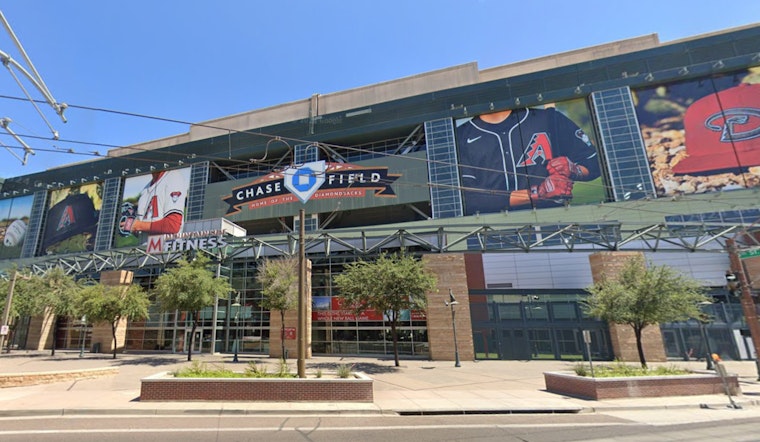
After extensive discussions involving Arizona lawmakers, Phoenix city leaders, and the Arizona Diamondbacks, a significant legislative step has been taken with the Senate's approval of the Chase Field bill. The bill is designed to allocate funds for renovations and necessary repairs to the Diamondbacks' stadium by diverting sales tax revenue from Chase Field's events and the team's income tax to a Stadium District fund, as reported by ABC15.
Despite the bill's passage in the Senate, an added 94-page amendment necessitates further approval in the House before the governor may sign it into law, this amendment proposes a $500 million cap on diverted taxes over a 30-year period a cap which will swell by 3% each year from 2027 to 2055, putting a ceiling at $3.5 million annually on the tax revenue going into the fund, as ABC15 explains. The current predicament is that revenue from Chase Field's non-baseball events, over 150 annually, feeds into a reserve that cannot singularly shoulder the ballpark's vital maintenance, estimated at a half-billion dollar expense, according to Amilyn Pierce, the Diamondbacks' VP of government affairs, who cited urgent needs.
Simultaneously, the Arizona Senate has moved House Bill 2704 along, with FOX 10 Phoenix sharing expressions of relief and appreciation from Derrick Hall, the Diamondbacks' president, who recognized the collective and constructive effort behind the bill's progression. The renovations are touted as paramount by former D-backs player Luis Gonzalez, who underlined the necessity for a new scoreboard, roof repairs, and the less visible yet critical infrastructure needs like plumbing and pipes.
Critics of the bill, such as Sen. Mitzi Epstein, caution against the financial impact, stressing that HB2704 diverts funds away from vital public services, such as education and roads, to benefit "baseball billionaires," as the legislator remarked, evidencing the ongoing contention surrounding fiscal priorities, which fuel debates in the prevailing civic discourse Epstein's stance articulates a core opposition argument that aligns with those hesitant to funnel tax dollars into the sporting franchise's coffers. The financial onus also includes a commitment from the Diamondbacks to provide $250 million, while subjecting them to a $10 million penalty if they exit Arizona before 2035, all part of the revamped measures.



