

























































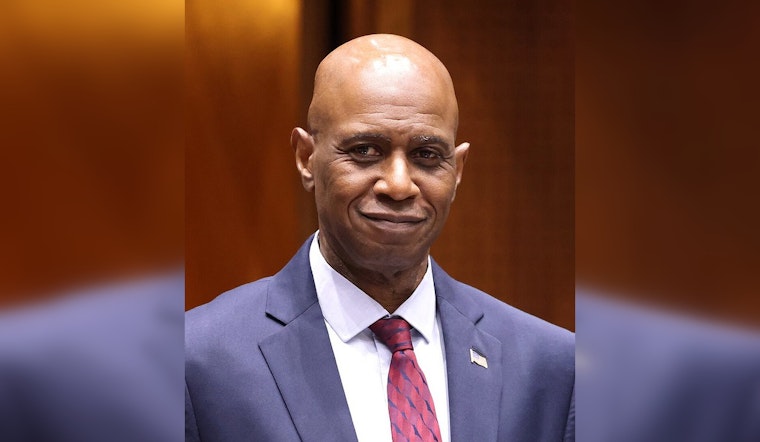
In a decisive move echoing the need for systemic transparency, Arizona State Representative Walt Blackman has voiced his endorsement for SB1507, a bill designed to establish an independent oversight of the state's corrections system. According to a press release distributed on June 25, Blackman, who also serves as Chairman of the House Government Committee, backed the legislation that aims to bring more accountability to the nearly $1.8 billion annual expenditure on prisons, a budget surpassed only by education spending in Arizona.
Highlighting the shortcomings of the current oversight mechanisms, Blackman stated, “Arizona spends nearly $1.8 billion a year on its prison system—the second-largest item in our state budget. To make sure that money is spent wisely and that inmates are housed safely and responsibly, we need more than selective updates and closed-door briefings from ADCRR. We need independent oversight backed by facts." This assertion echoes a prevalent concern regarding the effective management of one of the most significant line items in the state budget. The sentiments from Blackman's statement, obtained by Arizona Legislature Press, radiate a sense of urgency in remedying the opacities clouding the department's operations.
SB1507, sponsored by Senator Shawnna Bolick, would initiate the creation of an office authorized to look into complaints, scrutinize prison facilities, and deliver reports to the public. This proposed arm of oversight signifies more than a mere accessory to the system; it is a potential harbinger of early problem detection, condition improvements, and the prevention of costly failures. "It doesn't replace internal oversight—it adds what's been missing," Blackman elucidated on the necessity of this legislative effort. The unanimous passage of the bill in the House Government Committee underscores a bipartisan recognition of the need for such measures.
Within the dynamic nexus of government accountability, the passage of SB1507 stands as a potential milestone for the Arizona corrections framework. Ensuring a prudent allocation of taxpayer dollars and enhancing the conditions of incarceration remain salient points of consideration for policymakers. As Blackman highlighted the potential benefits, noting, "Director Thornell and ADCRR stand to gain from this, and so do Arizona taxpayers," his commentary, derived from the press release, seeks to ally administrative efficiency with fiscal prudence. As the legislation makes its way to the House floor, the eyes of Arizona's constituents are set on their representatives to follow through with bringing SB1507 into effect, marking an era of heightened transparency in the corrections system.



