

























































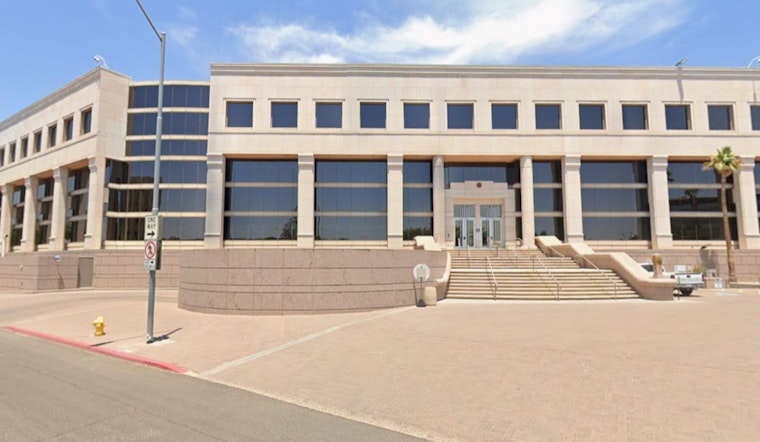
In a straightforward ruling that has implications for lenders and investors in Arizona, the state's highest court has clarified some of the nuances surrounding title insurance. The Arizona Supreme Court, led by Justice Clint Bolick, delivered a unanimous decision in a case involving the failed Centerpoint condominium project in Tempe.
The legal dispute can be traced back to the days of 2007 and 2008 when Mortgages Ltd. extended loans for the development of condos. To hedge against potential risks, Mortgages Ltd. sought protection via a title insurance policy from Fidelity National Title Insurance Company. However, when the company went under, the project stalls and left new stakeholders to untangle the resulting mess.
This complicated scenario led to the involvement of multiple companies and a set of legal disputes primarily focused on the title insurance coverage. Circumstances forced investors and lienholders into a Morris agreement - a unique settlement that allowed the pending sale of the Centerpoint property to proceed by clearing the liens without foreclosure. In this shuffle, a pertinent question arose: were title insurers still on the hook for settling claims when the loans in question were fully repaid?
"The Arizona Supreme Court ruled: The insurance companies did not have to pay because the loans were fully repaid," according to the press release issued by the Court. Consequently, the investors who didn't face monetary loss could not claim damages for bad faith - a significant detail for those closely watching the case.
The decision also granted the insurers the right to firmly present evidence that the loans were indeed repaid. This aspect of the ruling underlines a key takeaway: title insurers are not obligated to pay insureds when those insureds have repaid their loans, shaking up presumptions about insurer's responsibilities post-loan repayment.



