

























































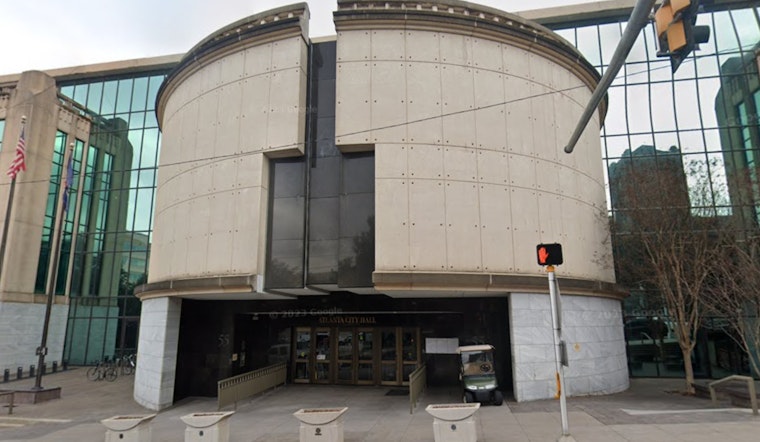
Atlanta's commitment to equity, infrastructure, and innovation got another shot in the arm with Mayor Andre Dickens announcing the unanimous approval of a sizable $3.0 billion operating budget for fiscal year 2026. The approval, which happened without a single dissenting vote – a clear nod to solidarity within the city leadership – has been a recurring theme for the Dickens Administration, marking the fourth consecutive year, according to a news release from the City of Atlanta's official website.
The $975.4 million General Fund anchors a financial blueprint that spreads across various major funds designed to elevate the quality of life in Atlanta, the General Fund, a principal component of which will be earmarked for bolstering public safety initiatives, fostering economic development, and addressing sustainability concerns., the city is poised to support various initiatives."This budget represents our shared commitment to building a city that invests in its people, strengthens our infrastructure and looks to the future," Mayor Dickens was quoted in the news release.
Gratitude was also extended to Atlanta City Council from the Mayor for what seems like a seamless collaborative effort, as detailed by the City of Atlanta. The Chief Financial Officer, Mohamed Balla, was cited praising the budget plan and its underlying strategy: "This $3 Billion balanced budget reflects smart, responsible planning—prioritizing impact, equity and long-term value for Atlanta residents."
Key budget allocations include substantial funding for police and fire services, affordable housing developments, services for those experiencing homelessness, as well as investments dedicated to various infrastructure upkeeps, such as road and sidewalk enhancements; these fiscal commitments reflect a broader strategy aimed at enhancing mobility and quality of life city-wide, all in all the multi-billion dollar budget package also encapsulates far-sighted investments in Atlanta's education fabric, with particular emphasis on after-school and youth employment programs, a venture geared toward empowering the youth that represent the city's future.
Other legislative actions by the City Council complemented the passage of the budget, including approval of a new millage rate to support critical services, compensation and staffing plans crucial for retaining skilled city personnel, adopting progressive building standards for environmental sustainability, and measures to better support small businesses. These moves reflect an overarching city strategy to put equity and forward-thinking urban policy at the heart of Atlanta's roadmap, eager to provide the resources for ventures and individuals to thrive alike.





