

























































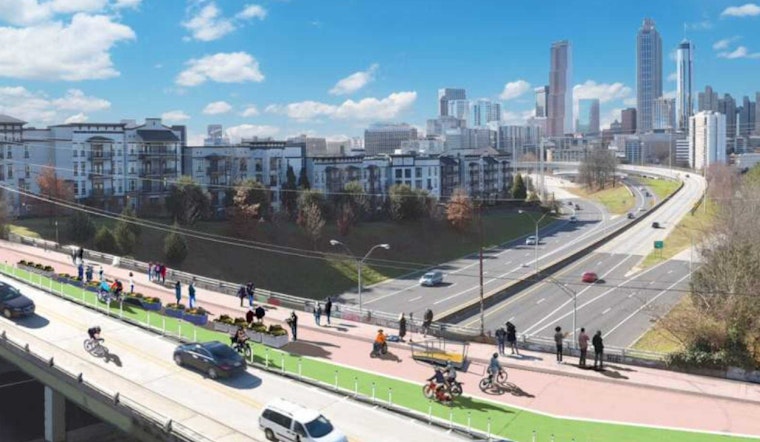
The iconic Jackson Street Bridge, celebrated for its panoramic views of Atlanta's skyline and a magnet for photographers, is poised for a major upgrade aimed at enhancing safety and accessibility. An announcement made by FOX 5 Atlanta indicated that the groundbreaking ceremony for these enhancements is set for the 9th of July at 9 a.m.
Atlanta City Council member Liliana Bakhtiari has been instrumental in spearheading the initiative, securing approximately $600,000 in funds required for the project, which promises roadway improvements, an extended pedestrian area, and a bike connection that will seamlessly link Freedom Parkway Trail to the Baker-Highland Trail. However, as revealed by a Urbanize Atlanta report, this makeover is the result of persistent planning since 2014 and the reallocation of $300,000 from Bakhtiari's office.
Local residents and tourists frequent the Jackson Street Bridge not only for its vista but also for occasions such as weddings and to immortalize moments tied to famed backdrops from shows like "The Walking Dead." Atlanta’s Downtown Improvement District finally joined in, assisting in the bidding process for construction companies to actualize this long-awaited dream which still remained elusive in 2022.
According to the Department of City Planning's Placemaking Program, the bridge will see a reconfiguration of traffic and bike lanes to boost both safety and the area's liveliness. Offering a wide pedestrian area with seating and ADA access, the bridge's parklet will also include a variety of plantings in raised planters, and possibly bike racks. Although based on Urbanize Atlanta details, Renew Atlanta funding has been noted as a primary financial resource, thus contributing to the bridge's future transformation.
Residents and visitors alike can soon anticipate safer, more accessible passage with a new protected bicycle track extending from the PATH Foundation’s Freedom Park Trail to the Baker-Highland Trail, fostering an improved connection between Old Fourth Ward and downtown. The upcoming changes are readily apparent in ATLDOT's most recent renderings, beginning just south of the bridge at Cain Street.





