

























































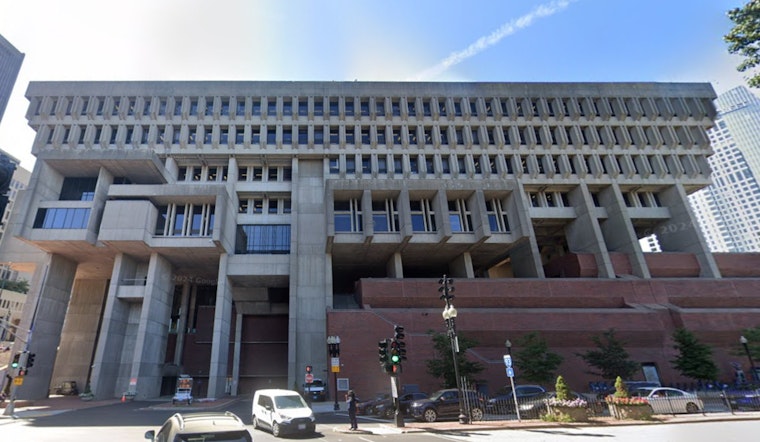
Mayor Michelle Wu and Boston City Council have come to a concordant front on the city's 2026 fiscal budget, setting a stage that sidesteps last year's contentious deliberations. This year's budget, approved unanimously by the council, tacks on a $4.8 billion spending plan and $4.5 billion five-year capital plan that nudges school improvements, immigrant family support, and youth jobs to the fore of the city's fiscal commitments. "Although we're facing the same uncertainty that cities everywhere are dealing with right now, the reality is that Boston is in the best possible position to weather this moment," Mayor Wu stated in an announcement captured by WBUR.
The fiscal blueprint delineates a 4.4% adjusted uptick from the previous year, yet stays aware of the confounding economic climate that seems intent to persistently test city governance. The City Council, through collaboration, sought to efficiently meet the moment without sacrificing the programs so crucial to Boston's urban tapestry. A People Operations Cabinet budget increase of $21.3 million, or 7.9%, largely services health care premiums for city workers, both active and retired, "driven largely by growing costs" as mentioned in the WBUR article.
However, not all departments saw fiscal gains—the library department's budget was cut by $500,000 and the Equity and Inclusion Cabinet saw a decrease as well. But beyond these reductions, certain areas under their purview did receive budget increases, indicating a complex balancing act of prioritization. City CFO Ashley Groffenberger provided a snapshot of the city's financial trajectory, stating that "The budget we are approving of today reflects consistent and stable revenue growth that is more modest compared to prior fiscal years," according to WBUR. This sentiment was echoed by City Councilor and Ways and Means Chairman Brian Worrell, touting the budgetary emphasis on protecting "our most vulnerable residents at a time when our communities are under attack in Boston." He praised the increased support for "immigrant, LGBTQ+ and Black and brown communities."
Looking beyond the budget's numbers and departments, the economic scene presents a mixed picture, with the Boston Policy Institute recently forecasting a continued deflation in commercial real estate values—a situation that could compound the city's financial pressures and compel discussions around potential tax increases. According to the same report, the impact on the city's budget could swell to a $550 million shortfall by fiscal 2029, a stark contrast to the optimism within the Chamber of City Hall. Yet in the face of such dour projections by the Boston Policy Institute, Mayor Wu remains steadfast, having criticized their earlier spring report for painting a gloomy perspective, as recorded by WBUR.
The 2026 budget is not just a ledger of numbers, but a declaration of values—a testament to Boston's commitment to sustaining its vital services and fostering inclusivity, despite confronting an economic backdrop shrouded in uncertainty. With the ink dried on this newly minted fiscal plan, the city aims to march forward, unshaken and looking towards a horizon filled with challenges that it seeks, and pledges, to meet head-on, according to The Boston Globe.




