

























































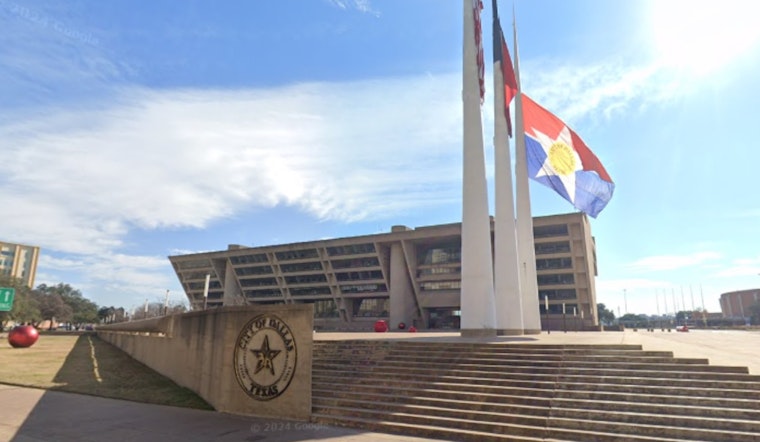
The City of Dallas unveiled insights from a comprehensive economic impact study yesterday, revolving around a proposed high-speed rail system that might reshape the region's transportation landscape. A detailed report prepared by Boston Consulting Group (BCG), which was commissioned by the Dallas City Council a year earlier, was presented to the Economic Development Committee, highlighting the potential benefits of high-speed rail connections, not just between Dallas and Houston, but also between Dallas and Fort Worth, according to the city's City of Dallas.
The study didn't just spring from government offices or corporate boardrooms, but from conversations with a variety of voices, including elected officials, community stakeholders, and industry experts who all weighed in to assess the routes' economic viability; in doing so, BCG examined three Dallas-Fort Worth alignments, considering a tunnel under existing infrastructure and enhanced connections between major airports and downtown centers. "It was important that we took the time to study the benefits of high-speed rail for Dallas, and how to do it correctly," Mayor Pro Tem and Economic Development Committee Chair Tennell Atkins said, per the City of Dallas, articulating the city's commitment to informed strategic progression.
Among the touted advantages detailed in the BCG study is the forecasted reduction in roadway congestion, specifically estimating a decrease of 2.5 million car trips on Texas roads. Beyond easing traffic, the high-speed rail is also projected to provide a boon to regional employment, opening the door to more than 20,000 jobs during the construction phase, extending into the operations era, and enhancing access to jobs and education between the cities it would link. The study shines a light on the positive outcomes that high-speed rail could herald, despite setbacks like the loss of federal funding earlier this year for the Dallas to Houston segment, as mentioned by Amtrak and the U.S. Department of Transportation.




