

























































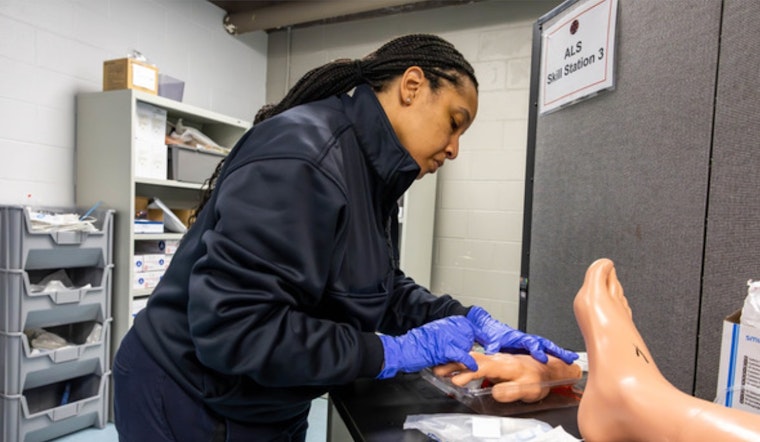
The Detroit Fire Department is blazing a new trail in emergency medical services, having recently announced its first-ever department-run paramedic training class. As reported this June, the training is a collaborative effort with Wayne County Community College District and presents a major step forward for the DFD, allowing their current EMT-certified firefighters to be trained on duty, while getting paid. This initiative is a stark shift from the norm, where firefighters have typically had to pursue paramedic training independently, both on their own time and dime.
According to DFD Executive Fire Commissioner Chuck Simms, "This is a game-changer for the Detroit Fire Department," as per the Detroit Fire Department's news portal. The goal is to quickly and effectively enhance the department’s workforce with advanced life support skills, fundamentally uplift the quality of emergency care given to the city's residents. The novel program compresses the usual 18 to 24-month paramedic training into an intense 10-month course, after which firefighters will emerge as fully licensed paramedics.
There's a heavy focus on patient care. Dr. Robert Dunne, Medical Director for the Detroit Fire Department, emphasized the importance of this education for the provision of advanced medical interventions, likening paramedics to emergency room teams. "Paramedics can perform many of the same interventions as hospital emergency room teams—and in many cases, they’re the first and only care a patient receives before reaching the hospital," Dunne told the Detroit Fire Department's news portal, highlighting how critical their role is in the emergency medical service ecosystem.
The program's accreditation comes courtesy of a creative collaboration between the Detroit Fire Department and Wayne County Community College District, surmounting a hurdle that’s hard for many institutions to clear. This partnership qualifies the DFD Regional Training Center as an authorized educational center, paving the way for firefighter EMTs to quickly obtain college credits towards an associate degree in applied science. The overarching aim is to swell the ranks of Advanced Life Support (ALS) units on the streets of Detroit.





