

























































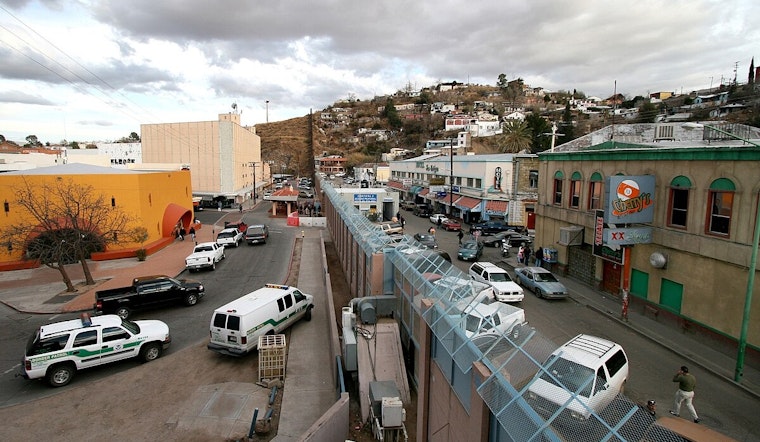
The U.S. Department of Homeland Security is pressing ahead with plans to construct new segments of the border wall in parts of Arizona and New Mexico, according to announcements from the agency. In efforts to accelerate construction progress, DHS Secretary Kristi Noem has issued waivers that will essentially bypass several environmental laws, including the National Environmental Policy Act. These waivers, according to DHS, will allow for the swift closure of gaps in existing barriers and enhance security operations along the southern border, as reported by FOX 10 Phoenix.
Among the planned projects, areas in the Yuma Sector and Tucson Sonoita stretch are eyed for the construction of additional wall segments, intending to seal breaches that have heretofore remained open. These gaps, varying in size from 40 to 240 feet, have been identified as weak spots in border enforcement, DHS advocates. As detailed by AZ Family, this push is aligned with earlier waivers signed by Noem for projects in California, positioning these new waivers as an extension of the administration's focus on tightening border measures.
Rivaling the DHS position, conservation groups have voiced strong opposition, framing the waivers as a departure from key environmental protections that safeguard diverse ecosystems along the borderlands. The Center for Biological Diversity, an overt critic of the initiative, has accused the Trump administration of neglecting environmental and wildlife concerns in favor of an aggressive border policy. "Trump is recklessly casting aside the foundational laws that protect endangered species and clean air and water to build a wildlife-killing wall through pristine wilderness," Laiken Jordahl, a Southwest conservation advocate at the Center, told FOX 10 Phoenix. The group contends that such actions pose significant threats to the survival of species like jaguars and ocelots, which roam the Arizona-Sonora borderlands.
Additionally, the DHS announced that the expedited construction will include several sectors around El Paso and Tucson. These encompass the Santa Teresa Secondary Wall Project, involving about 7 miles, and the Tucson 10-4 and 10-6 Projects, adding approximately 2.3 miles to the border fortification. These endeavors have been framed as critical measures by the DHS to secure the southern border, according to statements cited by AZ Family. The increased border security, while argued as necessary by the administration, continues to spark controversy against the backdrop of environmental concerns, igniting a debate over national security priorities and the stewardship of natural habitats.



