

























































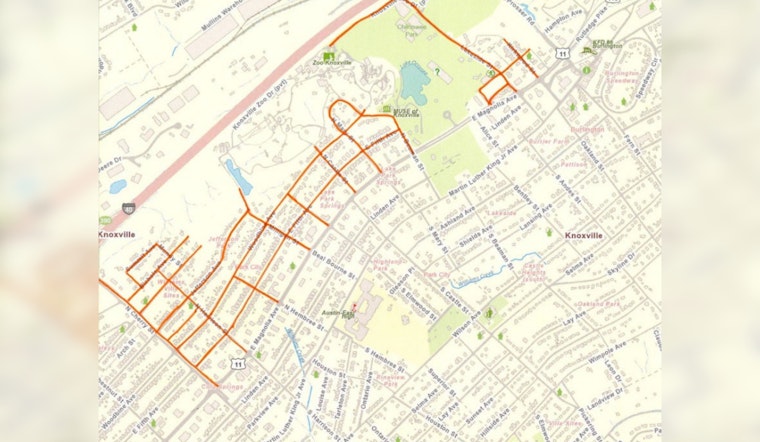
In a bid to stave off the mosquito menace and the associated risk of West Nile Virus (WNV), the Knox County Health Department (KCHD) is gearing up to spray parts of East Knoxville. Following the detection of WNV in mosquitoes during routine surveillance, KCHD has scheduled the spraying for Wednesday evening, which is targeted to quell the spread of the virus to the human population. The surveillance particularly pinpointed the Milligan Street area, prompting immediate action from health officials, according to details provided by WVLT.
The decision comes on the heels of a report from the Centers for Disease Control and Prevention, which indicated three human cases of WNV in Tennessee, including one in Knox County. To comprehensively curb further outbreaks, the KCHD is set to begin spraying an extensive list of streets within East Knoxville between 8 and 10 p.m., an initiative that aims to drastically reduce mosquito populations in the affected areas, WBIR reported.
Residents and pet owners within the designated spray zones, which include notable streets such as N Cherry Street and Knoxville Zoo Drive, are advised to remain indoors during the spray window to avoid contact with the treatment. While reaffirmed to be non-toxic, the precautionary measure is encouraged for the safety of all community members. Furthermore, beekeepers and any residents who prefer not to have their yards sprayed may opt out by contacting KCHD’s environmental team, as stated by WATE.
In conjunction with the spraying strategy, KCHD continues to urge individuals to adopt preventive practices such as draining standing water, using insect repellent, and dressing in long sleeves and pants during peak mosquito activity times, especially at dawn and dusk. This multi-pronged approach seeks to ultimately stamp out not only WNV but other mosquito-borne diseases as well, thereby protecting the community's health. Post-spraying, ongoing surveillance will continue with more trapping throughout the county to monitor and further act to control the mosquito threat, KCHD highlighted.





