

























































As local residents flood the dispatch centers with calls about the apparent distress of wildlife in their backyards and local parks, let's clear the air: It's baby animal season, folks. That's right – those little critters you're worried about are most likely going about their business exactly as nature intended. According to a recent report by the Eden Prairie Police Department, it's the time of year when many animals give birth, and though they might look abandoned, chances are they are simply following their species' natural growth process.
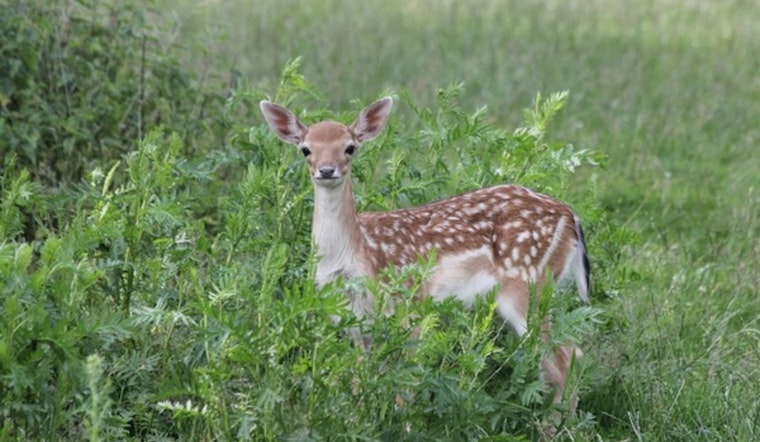
So before you scoot into full savior mode, consider some facts. Baby bunnies stay tucked away in their nests for a fortnight or so, with the mother rabbit returning only twice a day to feed them. Also, turtles lay their eggs around June 1st, and after that, they're on their own with an incubation period ranging from 45 to 80 days. As for those all-too-vulnerable-looking fawns? Mother deer often hide them in tall grass or brush to ensure safety while they go off to forage. The gist is, these creatures are fine without human interference.
When in doubt, it's best to keep a respectful distance and avoid rushing to the "rescue." Overzealous attention could actually do more harm than good, spooking the babies or causing them to ditch their nests prematurely. If you still can't shake your concerns, the Wildlife Rehabilitation Center of Minnesota is your go-to source. They've got a handy list of tips for deciding if and when an animal truly needs human intervention, according to their website.
Eden Prairie’s police department isn't in the business of chauffeuring around injured or abandoned critters, unless it's a bird of prey that’s downed. These feathered friends get a lift to the University of Minnesota’s Raptor Center for care. If you stumble upon what you believe is an injured or abandoned animal, you're urged to call 911 or 952-949-6200 to speak with an Animal Control Officer. Alternatively, the Wildlife Rehabilitation Center can be reached at 651-486-9453 for advice.
While lending a hand to Mother Nature can be tempting, it’s crucial to remember that wild animals have their own rhythms and instincts that are best left undisturbed. In case you’re wondering what to do next time you spot a baby animal seemingly alone in the wild, keep this information in your back pocket – it's better to observe from a distance and let nature take its course.





