

























































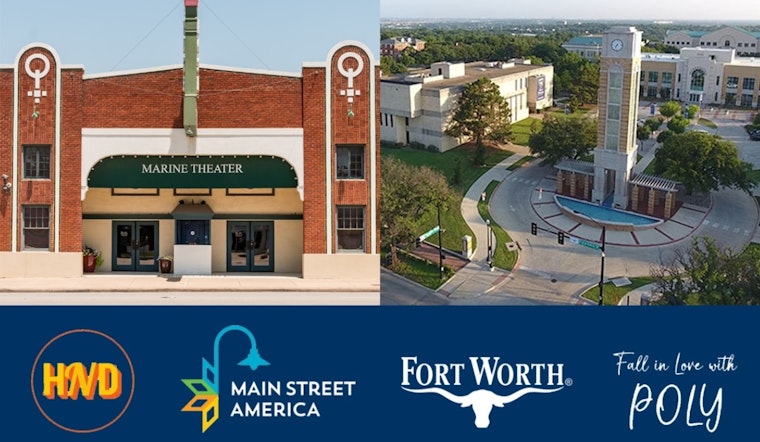
The Fort Worth Local Development Corporation has officially decided to extend Fort Worth's Main Street pilot program by another two years, seeking to build on the successes and learnings of the initial three-year period. This program, launched in 2022, engaged the Historic Northside and Polytechnic districts in revitalizing efforts using Main Street America’s Four-Point Framework. Each district was armed with considerable funding and resources to fuel their growth and development, and they're now set to continue their trajectory with additional financial support and a more structured operational approach.
Under the extension, important changes are slated to be made to the program’s infrastructure. These include introducing quarterly annual reports and tightened financial oversight, a structured checklist with deliverables for implementing the Four-Point Framework effectively, and an enhanced focus on increasing sustainability alongside added fundraising training. It's apparent, as the Fort Worth LDC attempts to streamline the initiative, that these districts are not just to revitalize but to become self-sustaining entities. As reported by the City of Fort Worth, an economic development coordinator from the City of Fort Worth will join both districts as an ex-officio board member, emphasizing the City's involvement in this effort.
The Historic Northside has shown significant progress, serving hundreds of businesses and property owners while rallying volunteer support and raising additional funds to surpass program investments. Efforts in branding, cultural events, and infrastructure improvements have been at the core of the Northside’s strategy. The district is set to receive another yearly $80,000 in matching funds, aimed at bolstering economic vitality and design initiatives that support small businesses or improve the district's commercial corridor. "The Historic Northside is a cornerstone of Fort Worth's cultural and economic legacy," Ericka Garza, president and CEO of the Fort Worth Hispanic Chamber of Commerce, emphasized, per the City of Fort Worth. She hailed the program for honoring "Northside's values and future" with its community-driven investments.
Turning to the Polytechnic district, the past three years have focused on visual enhancements and marketing campaigns to raise the profile of the area. This includes cleanup projects and a notable $10,000 grant awarded to Black Coffee, a local business, from Main Street America. The reins for the program's upcoming two-year extension have now been handed to Texas Wesleyan University, which will use the remaining $150,000 in funds to forge ahead with the district’s transformation. Texas Wesleyan plans to apply $30,000 per year from this extension towards further fundraising training and professional development. "This collaboration reflects our shared commitment to revitalization, economic development and continuing to create a welcoming gateway to East Fort Worth," Dr. Emily Messer, president of Texas Wesleyan University, told the City of Fort Worth, highlighting the university's role in connecting with the broader community.




