

























































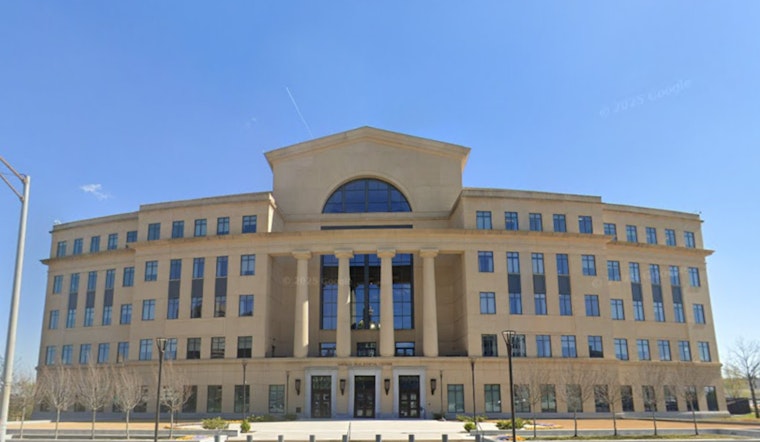
The Georgian judicial landscape witnessed a pivotal decision as the Georgia Supreme Court declared four of seven new election rules, promulgated by the State Election Board prior to the 2024 general election, to be exceeding its powers. The court's ruling partially aligns with the previous determination by the Fulton County Superior Court that found all seven rules to be "illegal, unconstitutional and void," thus sending a resounding echo throughout the state's legal and political corridors, according to a report from FOX 5 Atlanta.
The invalidated rules, now stripped from the books as per the state's highest court's judgment, included contentious provisions such as the mandatory hand-count of ballots post-poll closure, inquiries local election boards could conduct before certifying results, and permissions granted to board members to scrutinize all relevant election documents, this information was unveiled by 11Alive. In a nuanced move, the court reversed the lower court's ruling on one particular rule, thereby upholding the requirement for video surveillance of absentee ballot drop boxes during non-voting hours however, it eschewed ruling on two other rules due to objections concerning standing.
The undercurrent of these legal challenges springs from the dynamic restructuring the State Election Board underwent in 2024, when with a conservative majority on the board, there was a palpable shift towards addressing the still-lively discontentments rooted in the 2020 election results in Georgia. This recalibration gained national spotlight, especially when then-former President Donald Trump lauded the trio of Republican board members at a rally, with words of recognition as quoted by 11Alive: "pit bulls fighting for honesty, transparency and victory."
As the judicial dust settles, the case finds itself back in the trial court for further proceedings, with the onus now upon the individual voters, like Scot Turner and James Hall, who were deemed to possess legal standing, their constitutional grievances having resonated in the courtrooms, found traction in the dispute's intricate legal framework the subtle contours of the law now await to be drawn once more. Notably, the court has directed Fulton County to explore the standing of James Hall, a potential pivotal player due to his role on the Chatham County Board of Elections, as chronicled by 11Alive.





