

























































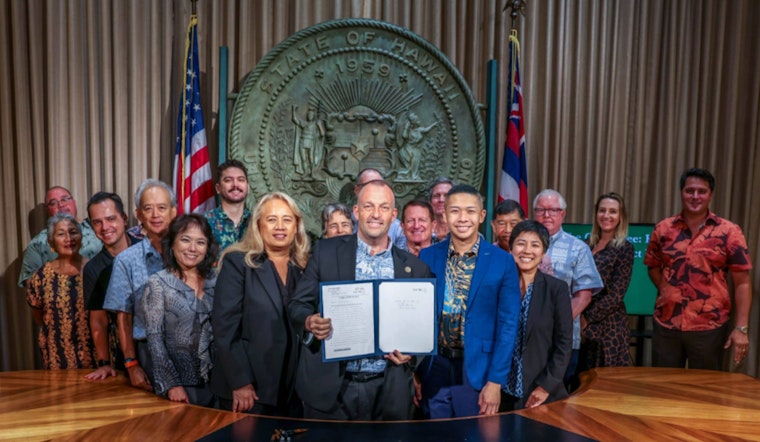
In a landmark initiative aimed at bolstering the fight against climate change, Hawaiʻi has set a precedent with the introduction of the nation's first-ever climate impact fee. The "Green Fee," as it has been dubbed, was signed into law by Governor Josh Green, who envisions this fee as a crucial step toward fostering environmental sustainability and resilience in the face of climate-related disasters. According to an announcement from the Office of the Governor, this move is expected to generate approximately $100 million annually, with funds being allocated to projects that tackle environmental stewardship and promote sustainable tourism practices.
Despite the picturesque façade that Hawaiʻi presents to the world, its decision to implement the Green Fee comes on the heels of a stark realization - the islands are bearing the brunt of ecological strain brought on by hosting nearly 10 million visitors each year. The devastating wildfires on Maui back in August 2023 were a grim reminder of the immediate need for a robust response to climate change. "Today Hawaiʻi ushers in the first Green Fee in the nation. Once again, Hawaiʻi is at the forefront of protecting our natural resources, recognizing their fundamental role in sustaining the ecological, cultural and economic health of Hawaiʻi," Governor Green told the Office of the Governor newsroom.
The governor's Climate Advisory Team (CAT), which was established in 2024 and is led by Chris Benjamin, played a pivotal role in shaping the policy. One of its key recommendations was to find a sustainable source of revenue to support Hawaiʻi's ambitious climate action goals. The answer lay in harnessing the transient accommodations tax (TAT), ensuring those who visit the islands have a hand in preserving their beauty, as per the Office of the Governor.
Starting in 2026, the Green Fee will marginally hike the TAT rate by 0,75%, a move designed to distribute the financial responsibility of protecting Hawaiʻi's natural and cultural heritage more equitably among visitors and residents alike. “The Green Fee bill marks a historic investment in climate disaster resilience and environmental protection,” explained Chris Benjamin. "Using the TAT to fund resiliency projects ensures that the financial burden of safeguarding our ʻāina and people doesn't fall upon residents alone," Benjamin expounded to reporters from the Office of the Governor newsroom. The legislature, along with local industry leaders and community advocates, has been credited for their unflagging support of the Green Fee bill.



