

























































Hillsborough County residents are stepping into the spotlight once again this week, afforded the chance to shape the destiny of a hefty federal aid package pegged for disaster recovery – to the tune of $709 million. The hefty sum, courtesy of Community Development Block Disaster Recovery Grant funding from the U.S. Department of Housing and Urban Development, is targeted for the bounce-back from a brutal set of hurricanes that battered the area in recent years, detailed in a report from Hillsborough County's official website.
Residents who have felt the sting of Hurricanes Idalia, Debby, Helene, and Milton can have their say on the recovery roadmap at several public gatherings slated for this month, with the county emphasizing that the voices of its citizens are essential to the drafting process – further detailing this commitment through additional sessions that extend beyond this week’s lineup, giving ample opportunity for community feedback, the engagement schedule reflects an expansive seven-meeting plan, which launched last week, and aims to prioritize those hit hardest, particularly low-to-moderate-income populations who are so often disproportionately affected by such natural upheavals.
At least 70% of the federal funds are earmarked for these very communities, aligning with the broader mission of fostering equitable recovery. As reported by the county, the drafted strategy is holistic, encompassing not only the rebuilding of homes and financial revitalization for affected families but also addressing the underpinnings of the community in the form of roads and stormwater systems – the infrastructure often taken for granted until nature's wrath reveals its vulnerability, this comprehensive approach is communicated in the public meetings hosted between 6-8 p.m., designed as platforms for residents to influence both strategic spending and the very fabric of their everyday lives going forward.
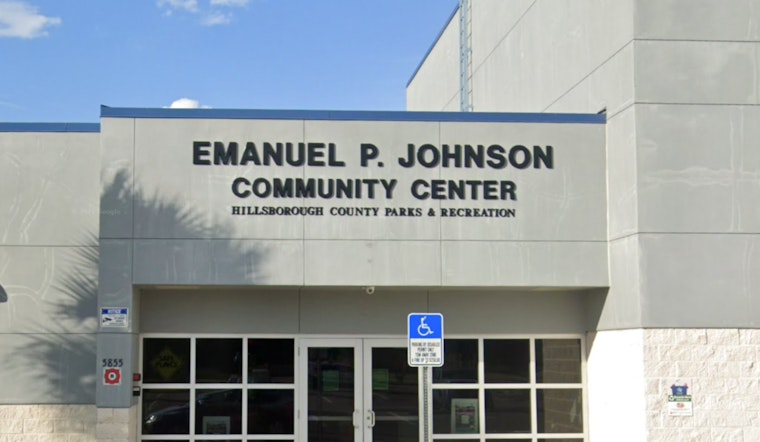
The county's initiative is a layered one, with educational meetings folded into the mix to illuminate the contours of the proposed plan, an effort to demystify the intricacies of allocation and ensure informed participation. All meetings, educational and hearing in nature, share the evening timeslot, ensuring consistency for those who plan to attend; this scheduling choice suggests an understanding of the working rhythms of the community it seeks to serve. Residents eager to offer their perspectives can view the full schedule and locations for these avenues of civic engagement listed on the county's newsroom, where they are encouraged to step forward and shape the recovery narrative that will play out across





