

























































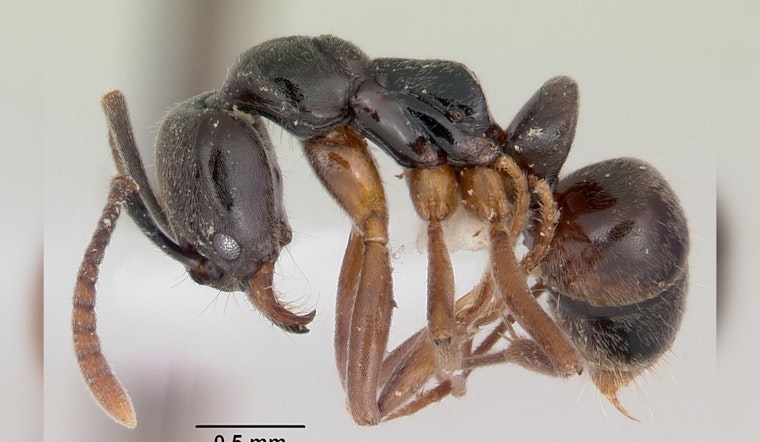
As the summer heat intensifies, so does the concern over an invasive ant species spreading across the United States. The Asian needle ant, known scientifically as 'Brachyponera chinensis,' has made its presence known in more than a dozen states, delivering stings that are not just painfully memorable, but potentially deadly, especially for those allergic to insect venom. According to a KHOU report, these ants have been found across 17 states, including Texas, and are known for causing severe allergic reactions such as anaphylaxis.
Dan Suiter, a professor of urban entomology at the University of Georgia, emphasized the risks associated with the ants' sting. "It injects venom that can harm you. Its sting can be life threatening," Suiter told the university. He further suggested that susceptible individuals should familiarize themselves with what this ant looks like and consider carrying an EpiPen as a precaution. The venom from the sting of an Asian needle ant can lead to low blood pressure, difficulty breathing, and swelling of the tongue and throat, as indicated by a report from CBS News.
Identifying the Asian needle ant poses its own challenges due to their small size, measuring at just about 0.2 inches in length. They boast a dark brown to black head and torso with contrasting lighter orange-brown antennae and legs, which can resemble other ant species. Habitats to beware of include forested areas, particularly those with leaf litter, logs, rotting wood, and beneath rocks, where these ants are apt to establish their nests. The United States Department of Agriculture (USDA) advises maintaining vigilance near potential nesting sites to minimize encounters with these stealthy insects.
Not only a threat to human health, Asian needle ants also disrupt native ecosystems. They outcompete indigenous ant species that play crucial roles in seed dispersal and maintaining the ecological balance. Large decreases in seed dispersal have been documented in forests where these invasive ants have gained a foothold, the U.S. Forest Service cautioned. Consequences of their presence can include dramatic, long-term negative effects on forest understory ecosystems, a concern that ecological experts continue to monitor closely.
For those who suspect they've encountered Asian needle ants, there are steps to take. Suiter advises sending photographs or specimens to local extension offices, such as the University of Georgia Extension, for confirmation of the species. Professional pest control services can also assist with proper identification and baiting strategies to manage the spread of the invasive pests.




