

























































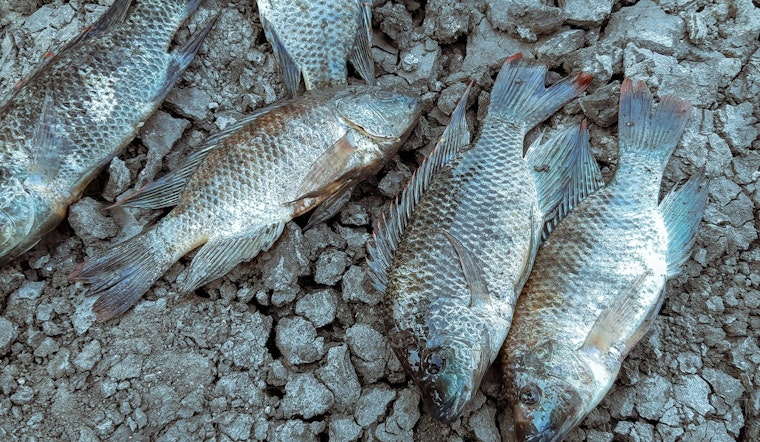
In the wake of Hurricane Francine, a storm that struck Terrebonne Parish in Louisiana as a Category 2 force, the Louisiana Department of Wildlife and Fisheries (LDWF) has published a report detailing the significant fish kills that occurred across southern regions of the state. As per the LDWF's report, extensive hypoxia was found to be the primary cause of death over roughly 2 million acres of freshwater fisheries, a situation exacerbated by the storm which landed on September 11, 2024.
LDWF was on the ground swiftly post-storm, with biologists conducting thorough investigations to ascertain the extent of the damage. According to their findings, documented by both public reports and their own studies, 89 fish kill events were recorded. The biologists collected 260 water quality readings between September 13 and 25, and out of those, 98 readings showed hypoxia, with dissolved oxygen levels dropping below 2 mg/L. These low oxygen conditions severely affected bayous and canals, yet the LDWF team identified pockets of oxygenated water where fish had managed to survive, often found in deeper regions or areas affected by the wind's mixing of the waters.
When drawing comparisons to Hurricane Ida's impact in 2021, which affected many similar zones, the fish kills resulting from Hurricane Francine were characterized as less severe and more dispersed. This latest comprehensive report was made available yesterday, and details storm effects, specific locations of fish kills, and water quality statistics. Interested parties can review the complete documentation through the LDWF's official website.
In the report's observations, an important distinction was noted: while past hurricanes have led to devastating, widespread fish kills, the incidents following Hurricane Francine, although substantial, pointed towards a more scattered and moderated environment. Biologists hope that this could indicate more resilient aquatic ecosystems but further research and monitoring are necessary to determine long-term impacts.



