

























































The City of Long Beach Health Department has confirmed a case of measles, with the patient being a pediatric resident who has recently returned from overseas. According to an official press release on the city's website, the young individual in question has now recovered at home, and thankfully, additional cases stemming from this incident are yet to surface.
This case marks the first measles report in the area since 2019 and serves as a stark reminder for residents to double-check their immunization records. Public health officials emphasize that measles, albeit rare, remains an easily spreadable disease "through the air via coughing, sneezing or being in a room with an infected person." Symptoms, which typically include a high fever, cough, and a characteristic rash, can be severe and lead to complications like pneumonia or brain swelling.
In their diligent response, authorities are pinpointing potential locations where exposure may have occurred and working closely with local medical centers. Specifically, Long Beach Medical Center's Emergency Department at 2801 Atlantic Ave is under focus, having been visited by the patient during infectious periods on June 3 and June 6. Any individuals present during those times are urged to check their vaccination status and keep an eye out for symptoms as outlined by the Health Department.
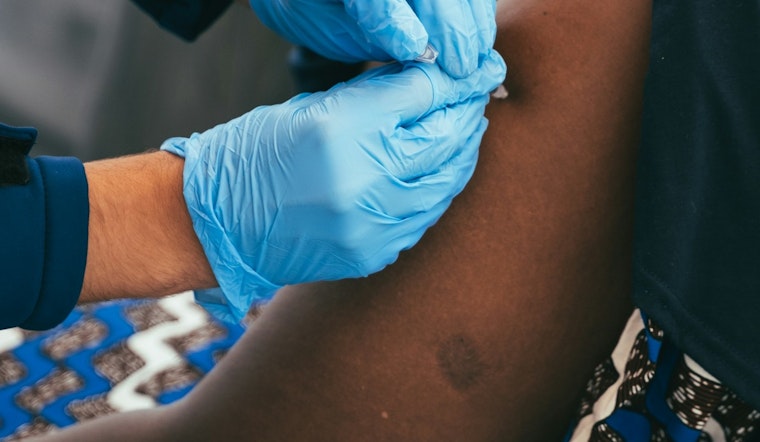
The Health Department's recommendations are clear: vaccination with the measles-mumps-rubella (MMR) vaccine remains the most effective way to prevent the disease. It is advised that "children receive the first dose at 12-15 months old and the second at 4–6 years old," and for those born after 1957 who are unvaccinated or unsure of their status, to get the MMR vaccine. As summer travel heats up, Health Department officials are proactively reaching out to ensure that the community is protected. They explain, "MMR vaccines are available through healthcare providers, pharmacies, and the Health Department’s Immunization Clinic," and for individuals who are uninsured or underinsured, state programs exist to provide free or low-cost vaccinations.





