

























































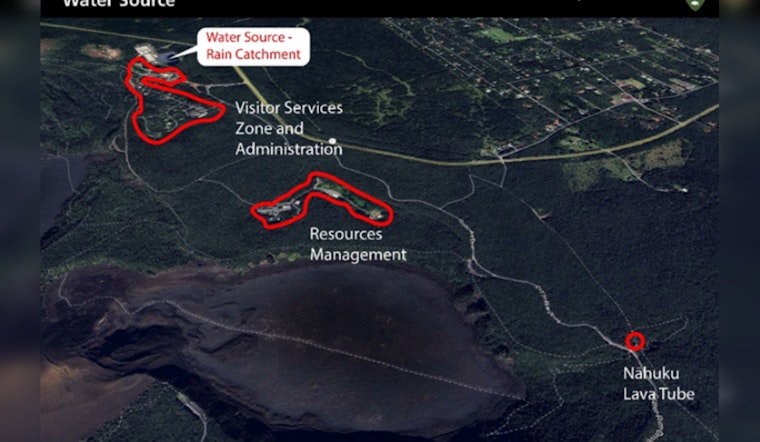
Concerns have risen after a chemical substance, known as 1-chloro-4-(trifluoromethyl)-benzene (PCBTF), was found in the water system of Hawaiʻi Volcanoes National Park, though said levels are reported to be low. According to a press release from the Hawaiʻi Department of Health, the problematic substance was detected at a concentration of 2.57 micrograms per liter in a sample from the park's Volcano Catchment Chlorinator.
The presence of PCBTF was identified in a sample collected on April 8, 2025, with the Hawaiʻi Volcanoes National Park's water system, which is operated by the U.S. Department of the Interior, notifying the state department in late May. Despite the detection, PCBTF is not a chemical currently regulated in drinking water - it has no maximum contaminant level (MCL) or state environmental action level (EAL) set to dictate its safety or risk thresholds and, as per the Hawaiʻi Department of Health release, there's limited data about its toxicity though with currently available information, acute health risks at the detected levels aren't expected, however, the water system is continuing to comply with all federal and state drinking water safety standards.
Residents or visitors to Hawaiʻi Volcanoes National Park who have concerns regarding the water quality can reach out to the park's water system for further details. The water system assures the public that the detection is not representative of a broader violation of water safety regulations; the park continues to meet the standards mandated by both federal and state guidelines, as reported by the Hawaiʻi Department of Health.
This issue comes at a time when environmental safety and public health are closely being looked at across the nation; the park's water system remains vigilant in monitoring its water and conducting regular assessments to ensure any potential contaminants are identified swiftly, and appropriate measures are taken to maintain the safety of its water for both inhabitants and the natural ecosystem of Hawaiʻi Volcanoes National Park, according to the Hawaiʻi Department of Health.





