

























































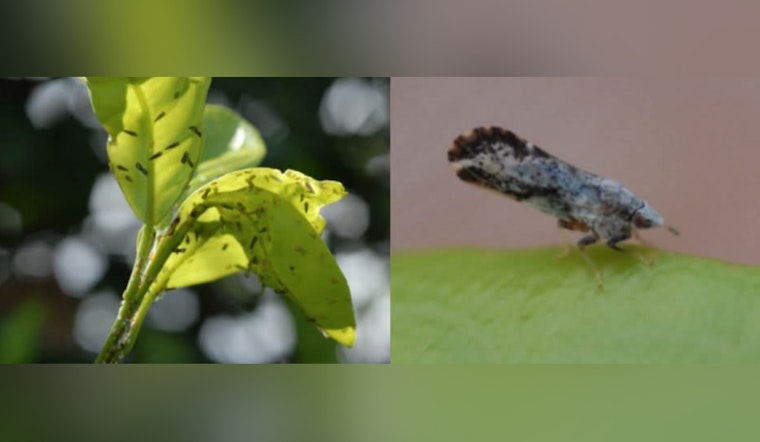
In a bid to tackle the spread of the insidious Citrus Greening disease afflicting our citrus trees, the LSU AgCenter has disseminated vital information to the residents. Citrus Greening, also known as Huanglongbing (HLB), has been confirmed to be present in the region, bringing a serious threat to our citrus industry. Identified by the yield of bitter or misshapen fruit, weakening trees, and typically leading to their eventual demise, the disease is currently incurable. The movement is imperative, the AgCenter insists, to stall what could devastate local groves if knowledge and preventive measures are not promptly adopted.
According to the Plaquemines Parish website, an comprehensive fact sheet has been released by the LSU AgCenter. Meant for residents, the publication covers the disease's spread, detection methods, and proffers advice to preempt its reach. While Citrus Greening is most commonly transmitted via a tiny insect called the Asian citrus psyllid, it is often the unwitting activities of humans that unwittingly facilitate its spread from tree to tree and region to region.
The urgency of the situation cannot be understated. In the absence of an existing cure, the focus shifts to robust community action and awareness to curb the expansion of this disease. Early detection and swift response are critically important. The signs to watch for include yellowing of leaves, misshapen or green fruits even when ripe, and a noticeable decline in tree health. Residents are being called upon to inspect their trees regularly and report any suspicious symptoms to local agriculture authorities.
With the Citrus Greening disease finding new roots in the area, the agricultural community braces for impact. The LSU AgCenter elucidates prevention methods in the fact sheet, emphasizing the need to avoid moving plants and to buy citrus trees from reputable, disease-free sources. They contend, as homeowners reproducing citrus plants could unknowingly increase the spread of the disease, that these practices are vital.



