

























































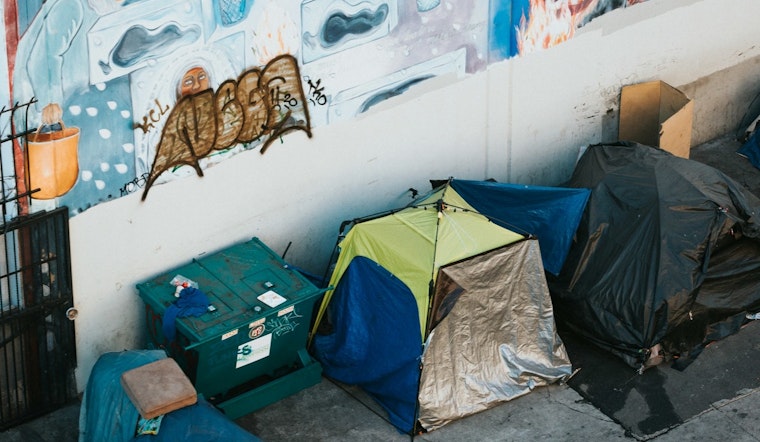
The plight of homelessness in Maricopa County has shown a distressing uptick, with recent figures indicating a rise in the number of individuals living without shelter. According to the 2025 Point in Time count, carried out by volunteers earlier in the year, as reported by ABC15, there were 9,734 individuals counted as experiencing homelessness in Maricopa County on January 28, 2025. This represents a 3% increase from 2024's count of 9,435 people and remains a significant challenge as service providers struggle with lessening federal aid.
Delving deeper into the figures, it is found that the unsheltered population has grown by 28%, while the number of those sheltered has decreased by 16%. The contrast here is stark, despite the increase of 820 new shelter beds in past years, the phenomenon of unsheltered homelessness continues to balloon. "The conditions leading to homelessness locally have not improved since last year," stated the Maricopa County Association of Governments, emphasizing that fiscal obstacles have not receded.
Axios Phoenix, in their coverage of the same topic noted that within this somber picture, some aspects, such as the number of homeless families, have seen a decrease, down to 536 from the previous year’s 598 families. Also witnessing a decrease was the count of chronically homeless individuals, declining to 2,007 from 2,135. However, these slight improvements are overshadowed by the overarching increase in homelessness, particularly among veterans and young adults aged 18-24, according to a statement by the Maricopa Association of Governments.
Underlying these statistics, funding remains a critical issue. Rachel Milne, director of the Phoenix Office of Homeless Solutions, noted the community's efforts to mitigate the shortfall following the expiration of temporary federal funds last year. Nevertheless, the number of people sleeping unsheltered has surpassed those sleeping indoors, a reversal of last year's trend when more were found indoors. The "Safe Outdoor Space" initiative in Phoenix, though offering some refuge, continues to be categorized as unsheltered by federal standards. Despite this classification, the inclusion of the "Safe Outdoor Space" residents in the unsheltered count would not change the overall trend toward an increase in individuals without adequate housing.


