

























































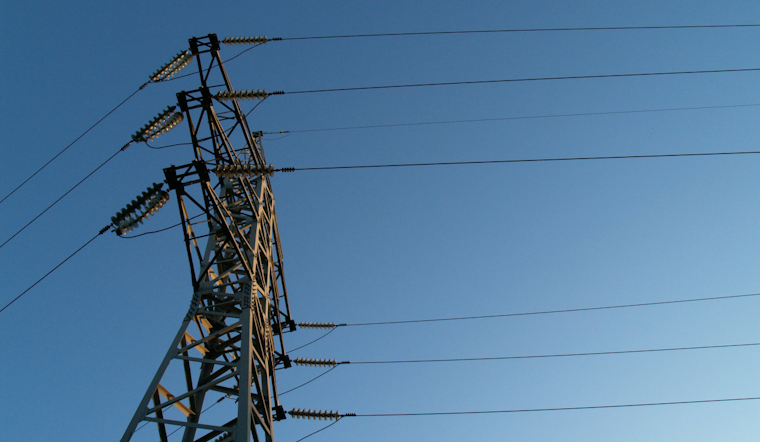
Residents in Maryland are grappling with the ramifications of a federal court decision that allows surveyors from Public Service Enterprise Group (PSEG) to enter their properties for assessing a sizeable power line project. This contentious move is part of the pre-construction efforts for the Maryland Piedmont Reliability Project, which is slated to extend nearly 70 miles of overhead power lines through the picturesque counties of Baltimore, Carroll, and Frederick. As reported by CBS News Baltimore, landowners have filed an appeal in response to the court's authorization of property assessments, fearing environmental impacts and infringements on their lands.
The opposition to the project stitches together a tapestry of local voices—from farmers to conservationists—united by a common thread of concern. A youth camp in Carroll County expressed fears to CBS News Baltimore that the looming transmission lines would tarnish the natural backdrop integral to their camp experiences. Further exploring the issue, the Chesapeake Bay Foundation highlighted potential risks to vital ecosystems, underscoring the sustainability stakes at play.
In the legal trenches, attorneys from Rosenberg Martin Greenberg are appealing the federal injunction, sounding alarms over constitutional concerns regarding property access. Attorney Harris Eisenstein noted to FOX Baltimore the sweeping implications of PSEG's 'Temporary Right to Entry,' which effectively allows the company unfettered, repeat access to the respondent's land with minimal notice. There's also been a motion filed to stay the injunction, which, if implemented, would grant PSEG the go-ahead for surveys well before the appeal’s conclusion.
Meanwhile, the energy debate intensifies amid reports that recently threatened power plants may remain operational longer than expected. Despite this, proponents of the transmission line, which include PSEG and the regional grid operator PJM, persist in arguing that the power line is necessary to stabilize the grid in the face of escalating energy demands.





