

























































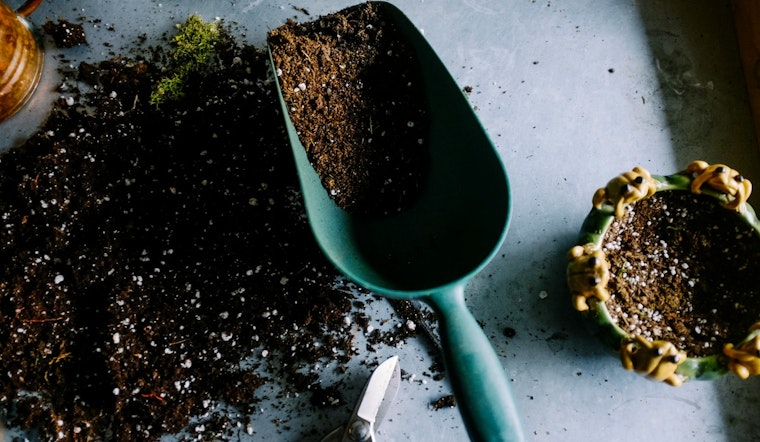
Minneapolis is rolling out the green carpet, quite literally, for urban farmers and community members alike. Residents are now encouraged to easily cultivate edibles in the boulevard spaces between street and sidewalk, as recent amendments in city ordinances permit growing food, constructing raised beds, and planting shrubs without a permit. Public Works has launched a webpage detailing the guidelines for these new gardening ventures. In a move aimed to not only beautify neighborhoods but also foster connections between neighbors, the city is committing to providing further support via tips and resources on the Homegrown website later this summer.
The initiative is part of a broader push by the city to revamp its food system and reduce waste. The Homegrown Minneapolis team recently welcomed Summer Badawi as the new Wasted Food Prevention Coordinator. Bringing over a decade of experience to the table, Badawi will spearhead Minneapolis’ involvement with the USDA Compost and Food Waste Reduction grant. This project, as per a Homegrown News article, will "launch a new two-year project to deepen our work with restaurants," providing them with the training and resources necessary to alleviate food waste.
Another significant development in Minneapolis' bid to create a more sustainable food environment is the groundbreaking of its first city-owned and operated biochar facility. This installation is poised to transform over 3,000 tons of wood waste into more than 500 tons of biochar annually, which equates to the removal of nearly 3,700 tons of carbon dioxide from the atmosphere. According to the city announcement, this effort underscores the commitment to reducing impacts on climate change and increasing climate resilience. Biochar production is on track to commence this fall.
Expanding access to food has been a thematic point for Minneapolis as well. The City Council passed a zoning ordinance amendment, as reported by Homegrown News, enabling the placement of outdoor temperature-controlled food lockers at food shelves and other community venues. This move is designed to remove roadblocks to food access, especially for those who are most in need. On the legislative front, Governor Walz recently inked a policy and finance bill that funds a variety of agricultural initiatives, promising continued support and development for Minnesota's food systems and agriculture industry.
To engage with the community and explore the rich tapestry of the local food system, Minneapolis residents can participate in the forthcoming Food Council Meeting. Slated for an in-person gathering, former council members will impart the history of the council, while current members will reflect on recent progress and chart out objectives for the subsequent year. As shared by Homegrown News, this session also features a picnic food theme, inviting attendees to share culinary delights in a congenial atmosphere at Powderhorn Park.



