

























































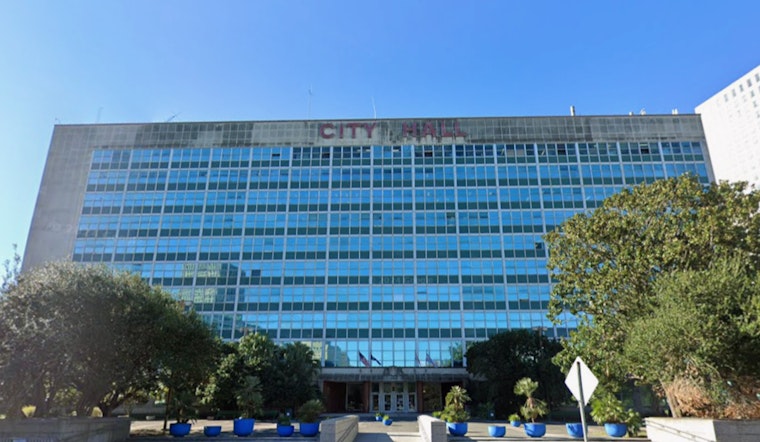
Motorists in New Orleans have been given a break with the city's latest amnesty program for past-due parking and traffic camera tickets. According to an article from the city's official website, starting now and running through August 31, fees on late tickets can be settled without the additional weight of late fees. The program aims to benefit those with parking tickets older than 30 days and traffic camera tickets more than 60 days old, issued before last Sunday.
The City of New Orleans has partnered with Promise, a known technology provider, to manage payments through the PromisePay system. This system offers a lifeline to eligible people, including those who live or work in New Orleans or have visited, with a proximity to the internet or a phone, can now clear their debts flexibly and interest-free. The amnesty could be availed by reaching out online or making a call for assistance. Certainly, with flexible, interest-free payment plans available through the platform, people are now allowed to step forward in resolving their financial obligations with ease.
"This is about meeting people where they are," Mayor LaToya Cantrell was quoted on the city's site. The mayor emphasized the city's approach toward relieving the additional stress or penalties, emphasizing the importance of aiding the populace to clear what they owe and to move forward. To determine eligibility and partake in the program, individuals can visit an online portal or can make a phone call to (504) 527-8799.
Moreover, legitimate text messages from PromisePay are being received by some eligible motorists with an invitation to join the amnesty program. The text messages, equipped with the necessary details to guide participants through the process, should ideally contain contact information for PromisePay's support team. Individuals can opt out of these texts any time. For questions or concerns regarding a message, you can reach out to the support team at the same number listed above. Reflecting on the past, the city's previous amnesty efforts in 2019 and 2022 saw residents catch up on unpaid tickets and collectively saved millions in late fees.





