

























































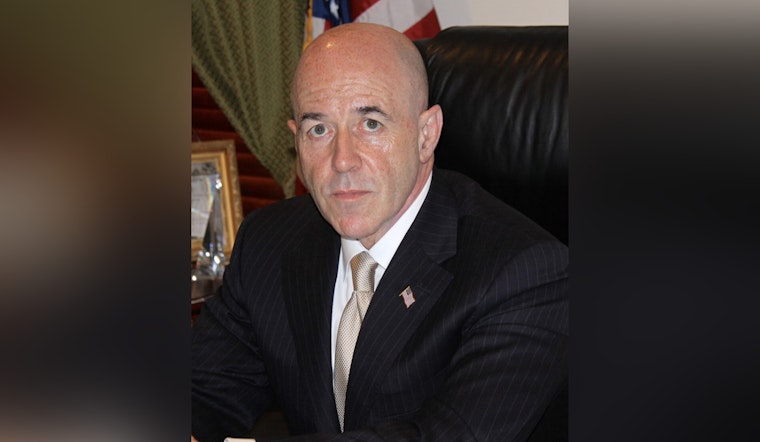
The city of New York came together to bid farewell to Bernard Kerik, the city's former police commissioner, during a funeral Mass at St. Patrick's Cathedral in midtown Manhattan. As reported by CBS News New York, the somber event took place after Kerik passed away on May 29 at age 69, following a private illness, as confirmed by FBI Director Kash Patel. Notable for his leadership of the NYPD during the 9/11 attacks, Kerik's legacy is marked by both his contributions to the city's safety and his later legal troubles.
Having served as New York City's 40th police commissioner from 2000 to 2001, Kerik's impact on the city was noted by figures like former Mayor Rudy Giuliani who, in his grief, remembered Kerik as his brother, stating, "I was a better man for having known Bernie," according to a mourning Giuliani's words. Uniformed officers carried the American flag-draped casket inside the cathedral, with Fifth Avenue having been closed for the procession. Kerik's career, beginning with the NYPD in 1986 and culminating in his high-profile role at the helm, was not without controversy as his conviction and subsequent pardon for tax fraud charges would taint his record, as reported CBS News New York.
In a more personal reflection provided by the New York Post, Kerik was remembered by a friend who recounted intimate conversations and the the fall from grace that Kerik experienced. Kerik himself was quoted as having said, "Not easy to take. My brother said he didn’t know I was this tough. I don’t read newspapers, don’t watch TV. Seeing, hearing it yourself is awful." These words paint a portrait of a man who felt the gravity of his mistakes and the isolation that followed his conviction. Despite the weight of his errors, Kerik was considered for international security roles and consulting on counterterrorism following his release from prison, demonstrating the duality of his story—his expertise still recognized in spite of his fall.
Kerik's journey from a celebrated commissioner to a convict, and eventually a man seeking redemption, reflects the nuanced trajectory of a public servant who both served his city and stumbled under the scrutiny of the law. His legacy, wrapped up in the city's history, leaves a mixed narrative of heroism, hubris, and humility.





