

























































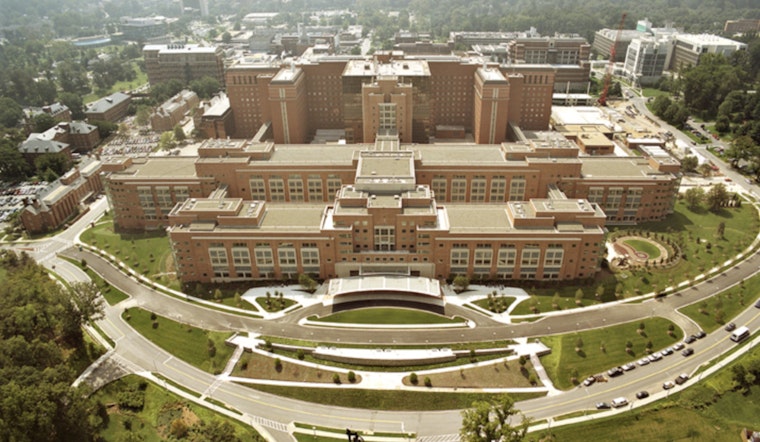
As battles over federal funding heat up, New York City has joined a multi-city coalition to throw their weight behind protecting a substantial $4 billion in research funding. This hefty sum, which has been appropriated by Congress to support critical medical research and related activities at hospitals, universities, and other institutions, is under threat from an NIH move that could see potential cuts to grant money. In an assertive pushback, the coalition has involved itself in an ongoing legal challenge that could decide the fate of these crucial funds.
A legal brief has been submitted arguing against the NIH's decision to alter funding reimbursements, prompting concerns across the country, and specifically in New York, where an important chunk of this funding is funneled into local research efforts. According to a statement obtained by the City of New York's press release, Mayor Eric Adams stressed, "New York City is home to the world's best public health and research institutions; not only do millions of patients and their families rely on the work that they do, but they also bolster our local economy and keep New York City at the forefront of medical and health innovation."
It's not just about the health implications; the proposed budget adjustments threaten wider economic stability. The Trump administration's rationale for these cuts is that they would save around $4 billion a year. Meanwhile, critics argue that any savings would come at a cost of halting essential medical research and sparking job losses. The NIH usually distributes around $32 billion annually, with allocations covering both direct research needs and indirect costs essential for the smooth operation of research institutions.
The legal filing by the coalition of cities and counties makes a forceful case against the proposed cuts, highlighting that these changes have been arbitrarily made without adequate explanation or consideration of their heavy impacts. "The decision by National Institutes of Health to abruptly change funding formulas for these research organizations is a major setback for public health," New York City Corporation Counsel Muriel Goode-Trufant told in the City of New York's press release.
With implications reaching far beyond the confines of a single institution, the outcome of these legal maneuvers will resonate with universities, healthcare systems, and the wider public relying on ongoing scientific advancement.





