

























































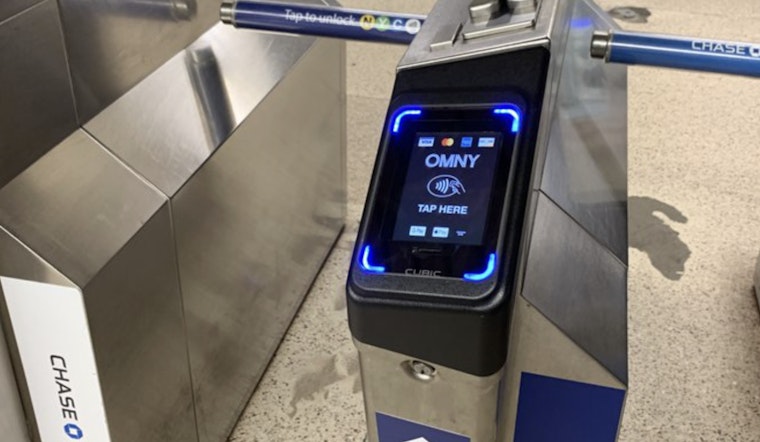
Recent complaints from New York City subway users suggest the MTA's OMNY system might be doing more than just offering convenience—it's causing confusion and frustration over fare charges. Some riders have reported being charged for rides they did not take, and others have noted multiple charges for what should be a single trip. Concerns over potential overcharging by the OMNY tap and go system continue to mount, even as the MTA assures riders that no one is being overcharged.
According to a report from CBS News New York, the MTA has attributed these issues to a delay between the tap and the charge, related to a software update. Consumer advocate Lucas Gutterman recommends that, until these issues are rectified, riders should "track their trips and dispute if they feel they've been overcharged." Further complicating matters, the MTA disabled the "trip history" feature in 2023 for security reasons, leaving riders to manually track their own usage.
Despite multiple signals indicating a problem, the MTA maintains its stance that the system operates correctly. As per a statement obtained by ABC 7 New York, what may appear as charges on bank statements are merely pending authorizations. These authorizations should only actualize as charges as riders continue to use the system. Kat Agostin, a New Yorker affected by these concerns, expressed her frustration with the OMNY payment system, saying, "It's just very complicated. It charges you for transfers. It delays the payment, and sometimes it won't scan, you'll get denied by the reader."
The concept of being overcharged is especially disconcerting for individuals like Agostin, who rely on a strict budget to manage their daily commute. In response to the concerns raised, the MTA has commenced working to increase hours and staffing at their call centers. However, reports from frustrated subway riders like James Crowley, who told CBS News New York, "I was on hold for about an hour and then, almost instantly after someone picked up, the call was dropped," point to a customer service system struggling to manage the volume and gravity of rider concerns. As New York City phases out the traditional MetroCard system, maintaining transparency and fairness in OMNY’s operation remains a critical priority for both riders and the MTA.




