

























































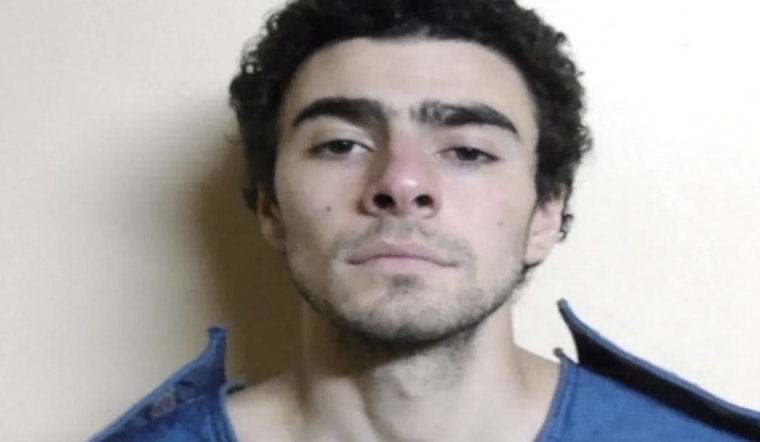
As the case against Luigi Mangione moves forward, New York prosecutors have issued a recent court filing that discloses purported handwritten notes in which Mangione outlines his alleged motive and intentions behind the fatal shooting of UnitedHealthcare CEO Brian Thompson. According to CBS News, these notes, referred to by the prosecutors as a "manifesto," exhibit a deep hostility towards the health insurance industry and wealthy executives. One such note stated, "I finally feel confident about what I will do. The details are finally coming together. And I don't feel any doubt about whether it's right/justified," apparently penned by Mangione before the incident.
With a rhetoric that references Ted Kaczynski, infamously known as the "Unabomber," the disclosed documents also include a note conveying Mangione's apology "for any strife or trauma," while simultaneously justifying the actions by deeming the victims as "parasites." Adding to the weight of these revelations, the prosecutors in a statement, claimed, "If ever there were an open and shut case pointing to the defendant's guilt, this case is that case." The contention around the terrorist charge against Mangione was also addressed, emphasizing the shooting's nature as not only an act of violence but one that aimed to broadcast a political message, as reported by CBS News.
Further evidence of Mangione's premeditation surfaced in another filing highlighted by NBC News. Judicial documents suggest Mangione used a red notebook as a diary where he allegedly chronicled his strategy months in advance. A particular entry denounces bombings as mere terrorism, suggesting instead a more precise action: "wack [sic] the CEO at the annual parasitic bean-counter convention." This acute targeting, according to the entry, would unequivocally state its intention through the inevitable media coverage that would follow.
The death of Brian Thompson not only sent shockwaves through the financial district but also sparked broader discussions around the ethics and economics of healthcare in America. As Mangione awaits his appearance in court on June 26, public sentiment appears divided; protests against the healthcare industry coalesce as often as those in support of Mangione, illustrated by a substantial legal defense fund in his name. As reported by NBC News, this fund has seen contributions surpass $1 million after the decision by Attorney General Pam Bondi to seek the death penalty was made public. Whether these documents will solidify Mangione's conviction remains a matter for the court, but the public discourse is assuredly in full swing.





