

























































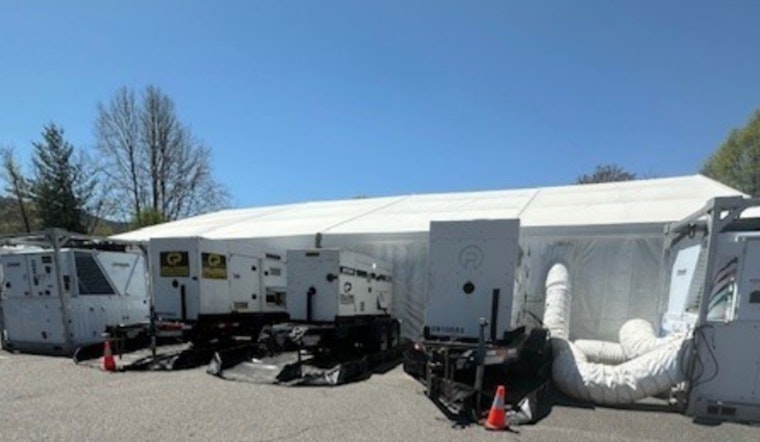
Swannanoa, North Carolina's relief efforts in the aftermath of Hurricane Helene are now under the microscope as a recent Special Report from the North Carolina Office of the State Auditor (OSA) highlights a staggering $145,000 being spent daily to keep a Community Care Station operational. The station, which provided showers, laundry, and other services to the public, functioned from October 2024 through April 2025 and racked up a total cost of $27.4 million. The Office of the State Auditor's report indicates that these services ended up costing approximately $220 per load of laundry, with a total of 18,000 loads done during the station's existence.
An average daily cost of $145,217 was detailed in invoices from the vendor, encompassing not just the basic amenities but also access to technology and counseling services. Amid the ongoing budget scrutiny, State Auditor Dave Boliek weighed in, stating, "In the middle of a disaster, providing a warm shower, laundry facilities to wash clothes, and a place to rest is responsive to the public need. That said, the government must always be cognizant of costs and routinely assess if we are making the most out of tax dollars." The examination of labor invoices further revealed that staff at the station were compensated at rates up to $145.50 per hour, along with a $215 per diem — costs not factored into the station's average daily cost figure, as reported by the OSA.
The report also calls for greater oversight and efficiency in the implementation of such Community Care Stations. The Rapid Response Division suggests that these emergency relief operations require more frequent analysis and monitoring to ensure a balance between meeting immediate needs and fiscal responsibility. The recommendations include the initiation of utilization and demand tracking from the beginning of services, contrasting the previous approach where such tracking began a month after the services were available.
The findings by the Rapid Response Division have prompted the recommendation for revising planning for future disaster response with a focus on cost, usage, and need for Comfort Care Stations. With billions directed to disaster relief, the interest in transparent and judicious spending is evident, especially when considering how every dollar spent in the wake of a tragedy could either spell relief or add to the burden of recovery. "North Carolinians deserve to know where those dollars are going, how much contracts cost, and what the end result is," added Boliek in a sentiment that echoes throughout the communities still grappling with the toll of Hurricane Helene, as per the Office of the State Auditor.





