

























































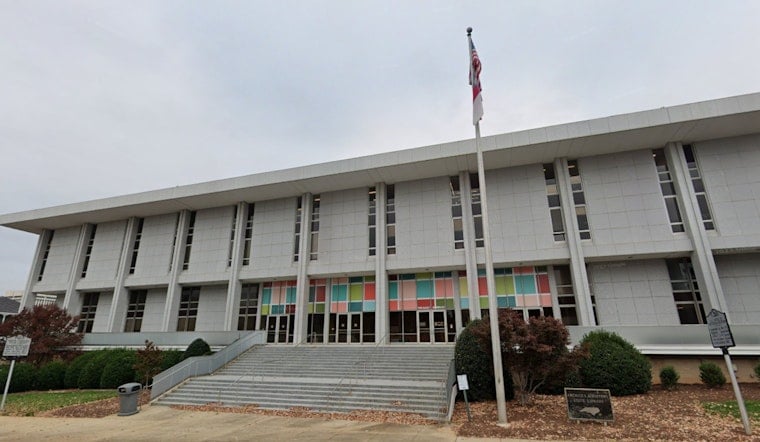
The State Library of North Carolina is infusing local libraries with a fresh round of funds, distributing $2.5 million in federal grants aimed at enhancing library services across the state. As reported by the Department of Natural and Cultural Resources, these grants originate from the federal Institute of Museum and Library Services (IMLS) through the Library Services and Technology Act (LSTA) and are tasked with everything from improving digital literacy to fostering early literacy programs.
In a move that addresses diverse and nuanced needs Secretary Pamela B. Cashwell of the North Carolina Department of Natural and Cultural Resources spoke of the grants' impact, noting "The projects funded with Library Services and Technology Act grants over the next year will meet a vast array of local needs. They will update and improve access to digital literacy and technology, support early literacy, and assist with efforts to provide community resources for job hunters, workforce development, telehealth, and more," the local initiatives strive to tackle a spectrum of challenges offering scant alternative funding.
This financial support is directed to 41 awards, which aligns with the State Library of North Carolina's mission emphasizing Community Engagement, Expanding Access, and building Responsive Organizations. Libraries like Edgecombe County Memorial Library will channel their grant towards programs enhancing residents' physical and mental health with the Haywood County Library utilizing its funds to create new study booths for its Waynesville branch, offering much-needed private meeting quarters.
Significantly, Stanly Community College Library is deploying its share of the grant to arm students with Chromebooks, ensuring equitable access to technology, crucial for their scholastic achievements, the library acknowledges the ever-growing reliance on digital tools for education and aims to level the playing field for all of its students. For those interested in learning more about the specific projects funded, a complete list of recipients and project abstracts is available on the State Library's website.
The ripple effects of these grants travel beyond simple library upgrades, as they are expected to touch on aspects of education, public health, and community resiliency. North Carolina's Department of Natural and Cultural Resources oversees a broad network of resources that include historic sites, museums, and parks in addition to the State Library and Archives, demonstrating a robust commitment to enhancing the state's cultural and natural assets. These grants represent another layer of this effort, as they are set to enable libraries to continue being pivotal cornerstones within their communities.





