

























































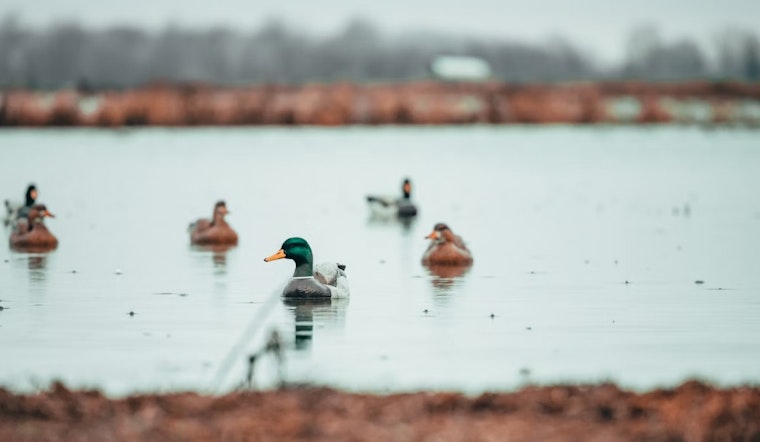
The Ohio Department of Natural Resources (ODNR) Division of Wildlife is currently seeking public input on proposed changes to waterfowl hunting zones set to reshape the landscape for the 2026 through 2030 seasons. The reconfiguration of hunting grounds suggests a strategic pivot as officials endeavor to balance conservation efforts with sport. Deer in the headlights, waterfowl enthusiasts now have their chance to fly into the conversation regarding the prospective boundary delineations.
Following their late April reception, the Ohio Wildlife Council is deliberating on the suggested zone restructuring, which assigns Zone A to northwest Ohio, Zone B to northeast Ohio and portions of the northwest, and Zone C as a broad stroke over the remaining state. Notably, the proposal places the expansive waters of Lake Erie firmly within the confines of Zone B. At the same time, Zone A's boundary will extend 100 yards into Erie's offshore domain, as detailed in the department's announcement.
Ohio's waterfowl hunters are encouraged to make their voices heard by visiting wildohio.gov to pore over proposed zones and submit their responses. The timeframe to air any grievances ends Wednesday, July 9. The collective hunter hunch will be publicly aired on July 16, during a statewide hearing centered on these proposed rules.
The genesis of the zone realignment stems from a blend of hunter feedback and the prescriptive guidelines established by the U.S. Fish and Wildlife Service. The approach remains a triumvirate, preserving the tri-zone tradition long familiar to the state's hunters. Until the gavel falls for or against the new delineation, the existing zones stand firm for the upcoming 2025-26 seasons, punctuating the status quo.
Decisions on these proposals rest with the Ohio Wildlife Council, an entity that acts as the final arbiter of the Division of Wildlife's rule-making process. Those itching to contribute verbal textures to the council's debate are invited to dial 614-265-6304 to ensure their three-minute comment slots at the meeting. For now, the hunting landscape remains as ever-changing as the migratory patterns it seeks to administer.





