

























































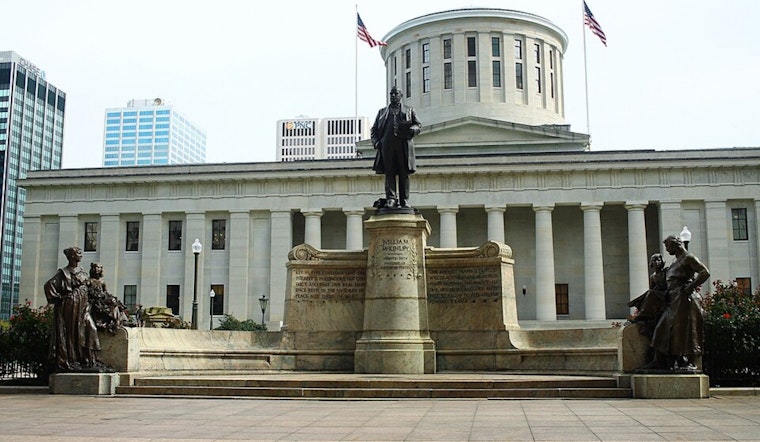
The state of Ohio is casting a considerable sum into the preservation of its historic architecture, more than $66 million in tax credits to be exact, through the Historic Preservation Tax Credit Program. This initiative aims to leverage private investments for the refurbishment of historic structures across the state, courting a fusion of past heritage with present development.
As reported by the Governor's office, Ohio Governor Mike DeWine, alongside Lt. Governor Jim Tressel and Ohio Department of Development Director Lydia Mihalik, has taken a stance, ensuring the past is interwoven with the state's forward trajectory. "These buildings are more than brick and mortar—they reflect the history of our communities and the generations of the past," Ohio Governor Mike DeWine conveyed, "Thanks to these tax credits, these buildings will contribute to Ohio’s future as well." A sentiment echoed by officials who see unused structures not as relics to be cast aside, but as cornerstones for regeneration.
The initiative flaunts a sizable impact, earmarking funds for 39 projects that promise to rejuvenate 47 buildings. In practice, it's estimated to summon about $518 million in private investment, keeping the past firmly grounded as a contributor to the contemporary economic landscape.
Ohio's approach is not merely about nostalgia, but it's an economic catalyst, according to Lt. Governor Tressel, who noted, "Many of the structures that will be renovated through this program are currently vacant and underused, but they all hold so much potential." And as these buildings morph into homes, businesses, and more, Tressel anticipates, "These sites will most certainly spark additional investment and revitalization in the surrounding areas." According to Ohio Governor Mike DeWine. It's a move that aims to create a domino effect, where preserving history is not an endpoint, but rather a starting point for community and economic renewal.





.jpg)