

























































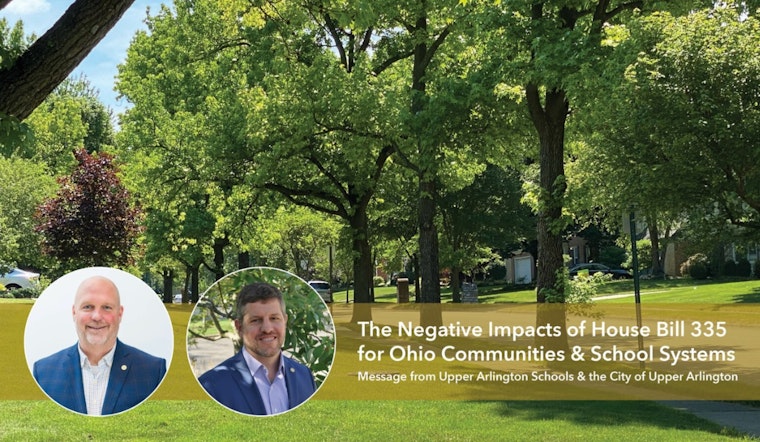
The contentious House Bill 335 has Ohio communities and school systems bracing for what could be a seismic financial shockwave through their operational budgets. The bill, which seeks to overhaul Ohio's property tax system, could see local municipalities lose significant revenue streams with no clear plan for replacement. The City of Upper Arlington stands to lose $16.7 million annually, a hit that represents more than 10 percent of the district's operating budget. According to a statement from Upper Arlington officials, this could trigger an immediate impact on staffing and student programs. The sense of urgency and concern can be felt across Ohio as other districts are facing similar plights.
While Upper Arlington Police's employer pension contributions and the fire department would remain unfunded, despite the cuts HB 335 proposes, significant cuts can't be made to these mandatory expenses. As detailed by the City of Upper Arlington's official website, the bill's provisions jeopardize the city's operational essentials, including police, fire, parks, and administration services. The local government's capacity for growth and upholding business commitments via Tax Increment Financing (TIF) agreements is also at risk, the latter being a pivotal element of development and job creation strategies.
At the heart of the debate is the worry over public education's stability. If the bill passes, Upper Arlington Schools assert that over 10 percent of their budget would evaporate, profoundly affecting educational quality and the community's legacy of commitment to their students. As concerned residents and officials navigate these decisions, they hinge on the hope that Ohio's legislators will pivot away from rash measures and consider the potential erosion of the educational and communal bedrock.
Moreover, the city's partnership capabilities with businesses are on the line. With TIF agreements relying on millage rates that may diminish, Upper Arlington's commitments to businesses for infrastructure investments come into serious question. "If millage revenues decline or are restructured, our ability to meet commitments to businesses to reimburse them for the cost of roads, sewers and parking garages will be called into question," warned city officials, as reported by their official statement. The loss of confidence from the business community could deal a subsequent blow to the wider economy, affecting more than just municipal operations.
Upper Arlington leaders have not been reticent in their call to action, urging the public to reach out to legislators to thwart the bill's passage. In doing so, they pledge their support for the continued prosperity of public education and implore a thorough and deliberative approach to any tax reforms. The consensus among the affected is clear: Ohio's taxation system merits a comprehensive examination, but not at the cost of upending communities and their futures.





