

























































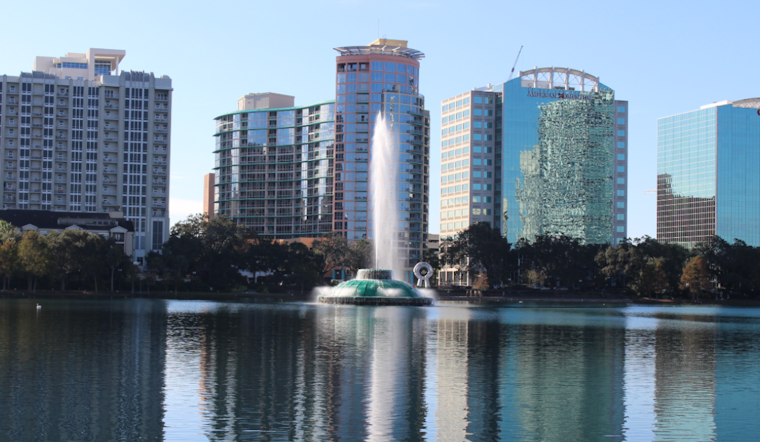
As the sweltering heat continues to bear down on Orlando, residents are advised to brace for peak heat indices reaching a scorching 105 degrees. The National Weather Service in Melbourne, FL, has underscored the persistence of hot and humid conditions throughout the week, with onshore flow gradually shifting the chances for rain and lightning storms more inland. For those planning to escape the heat by the ocean, take note: there's a Moderate Risk for rip currents at area beaches, according to an early morning report from the National Weather Service.
The latest update from the National Weather Service anticipates afternoon and early evening thunderstorms, particularly west of the Kissimmee River, which are expected to bring frequent lightning strikes and potentially produce gusty winds up to 50 mph. The Weather Prediction Center has placed all of East Central Florida in a Marginal threat for Excessive Rainfall, signaling a need to quickly prepare for erratic storm cell motion due to weak steering flows and robust boundary collisions. The update also projects higher storm intensity and rainfall amounts, ranging between 1 and 3 inches or more.
On the marine front, boaters can expect seas of 2 to 3 feet with Southeast winds up to 15 knots leading into the weekend. While the predominant SE flow could result in more thunderstorms over land, coastal areas may see isolated to scattered convection that could move ashore during the night and morning hours, as outlined by the National Weather Service.
For aviation interests, VFR conditions are largely expected to prevail outside of shower and storm events. Isolated showers may brush along the Treasure Coast, mainly near KSUA, through this morning, noted the National Weather Service, with the greatest chance for inclement weather being placed on the afternoon to early evening as the east coast sea breeze moves inland, clashing with the west coast breeze. Airports, in particular, should prepare for the impact, with the National Weather Service advising TEMPO groups for 3SM TSRA at interior TAF sites, such as KMCO, KISM, and KSFB, during peak hours.





