

























































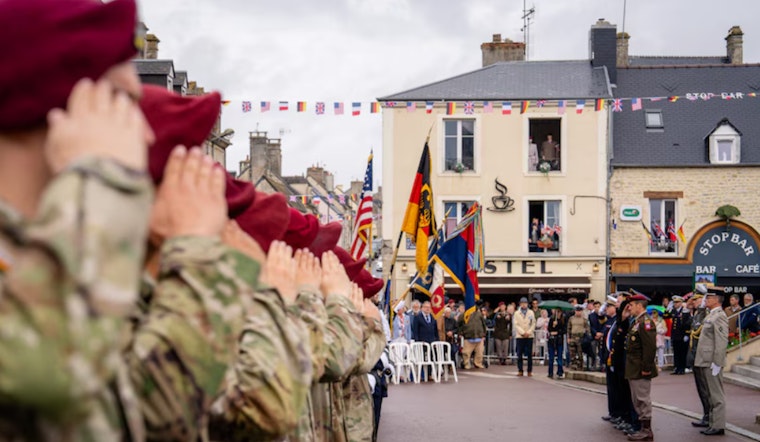
In an engagement that has seen its fair share of dissent, veterans and supporters mobilized to protest against the proposed job cuts to the Department of Veterans Affairs (VA), on one of the country's most somber anniversaries, D-Day. As reported by ABC15, the VA Secretary Doug Collins rebutted claims concerning a 15% reduction in staff at the Phoenix VA hospital, labeling such assertions as "lies." Collins clarified this during an interview, indicating that the 15% figure was a target rather than an absolute mandate.
Despite reassurances from the top brass of the VA, veterans, like Army vet Buddy Cook, remain worried about the repercussions such cuts could have on their healthcare. Talking to ABC15, Cook questioned the logic behind the proposed staffing cuts, emphasizing their understaffed status and the resultant elongated wait times that already plague their system. Meanwhile, the VA Secretary remained confident that the workforce trimming would not impact patient care, pointing out that redundancies and non-direct patient care roles are in the firing line.
Concurrent protests in Washington D.C., captured in a Rolling Stone feature, highlighted the collective outrage at the government's direction under President Trump. The Celtic punk band Dropkick Murphys, joined by politicians and activists, led the rally and called out the administration for its perceived disrespect towards vets. Ken Casey of the Dropkick Murphys said, "The facts are that the Trump presidency and all those involved are disrespecting the vets. And that’s my opinion. And we’re going to sing about it," according to Rolling Stone.
The involvement of the AFGE's national president, Everett Kelley, pointed to a broader concern within the ranks of the VA and its constituent workforce. With lawsuits challenging the job cuts progressing through the courts, Kelley noted his members are intent on continuing to fight against decisions they believe could undermine the Constitution. There appears to be a shared sentiment that these battles are but a precursor to a larger war over the soul of the country's commitment to its veterans.
As tensions simmer, the narrative that unfolds is not simply about budget cuts but also taps deeply into what it means to serve and the promises reciprocally made by a nation to its guardians. On the backdrop of the 81st anniversary of D-Day, these events are not just a confrontation over policy but a testament to the conviction held by veterans and their advocates, who are now determined to see respect and due diligence paid to those who have donned the uniform and what they stand for.



