

























































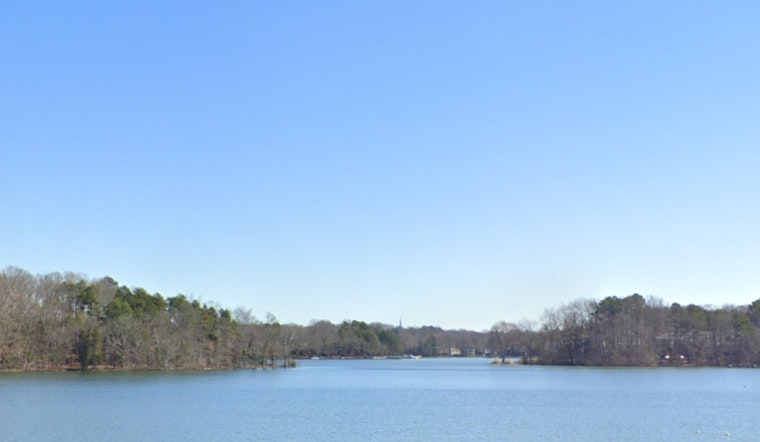
The North Carolina Department of Environmental Quality's Division of Water Resources (DWR) has issued a public advisory to avoid contact with green or blue water in Lake Norman due to persistent algal blooms. Reports have pinpointed the northeast section of the lake as a particular area of concern, though the blooms have been present in multiple locations across Catawba, Iredell, Lincoln, and Mecklenburg counties. As noted by the DWR, these blooms can to be moved by wind and wave action.
During investigations of five sites, the DWR has identified the algae as Dolichospermum, formerly known as Anabaena. This particular type of blue-green algae, or cyanobacteria, can indeed turn the water a bright green color which may shift to milky blue as the algae decays, potentially releasing a strong, unpleasant odor. Despite initial tests conducted on Tuesday not detecting any microcystins – toxins produced by such algae – the risk remains as toxin production can quickly begin and cease. The official advisory recommends continuous monitoring and will update the public via the DWR’s Algal Bloom Dashboard.
The N.C. Department of Health and Human Services, Division of Public Health (DPH), routinely advises the public on how to stay safe around algal blooms. Precautionary measures include keeping children and pets away from discolored or scummy water, not touching large mats of algae, and thoroughly washing if contact occurs. Additionally, any immediate health reactions after exposure should promptly be addressed by seeking medical or veterinary care.
It's well-known that algae are a natural part of aquatic ecosystems, yet the harmful blooms are often a result of specific environmental conditions. These include excessive nutrients like nitrogen and phosphorus, higher temperatures, abundant sunlight, and stagnant water. To keep informed and safe, the public should vigilantly avoid to swim or interact with affected waters and check the latest updates on the situation from local authorities.





