

























































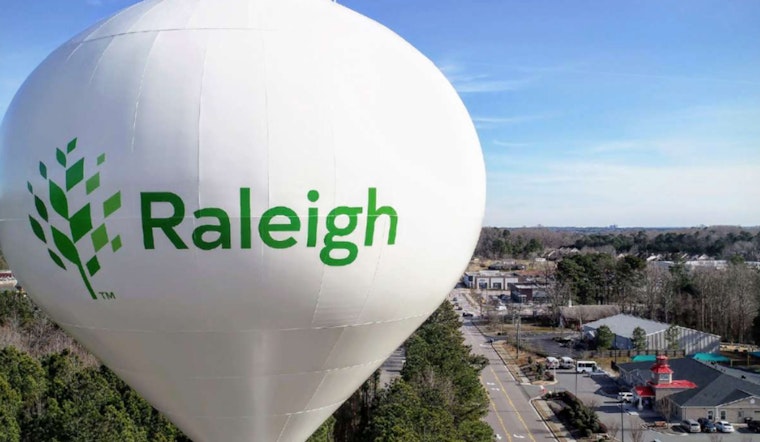
Residents supplied by Raleigh Water should brace themselves for an uptick in their monthly bills starting this July. A 4.0% increase across water and wastewater base and consumptive charges is officially on the ledger, meaning the average household will see a bump of roughly $1.91 per month, or a 3.5% climb. This hike affects households across Raleigh, Garner, Knightdale, Rolesville, Wake Forest, Wendell, and Zebulon, with proportional hikes for those dwelling beyond city confines. In a recent announcement on the City of Raleigh's website, it was highlighted that these adjustments are crucial for the utility to sustain reliable water and sewer services and to finance the replacement of aging infrastructure, which could fail with serious social, environmental, and economic repercussions if left unattended.
The bulk of these infrastructure woes stem from pipes laid post-World War II, necessitating their overhaul to avert main breaks and such. In a move to continuously maintain the system's integrity, Raleigh Water's crews tirelessly labored last year, inspecting some 26,050 fire hydrants and responding to 223 water main breaks, sometimes after the hour of regular operation, a testament to their commitment. The system has burgeoned over the past five years, now managing 5,170 miles of pipeline — a distance grand enough to link Raleigh with Los Angeles and back. "By investing steadily each year, we can proactively address infrastructure needs, minimize sudden, steep rate hikes, and deliver reliable service while maximizing the value of every dollar spent," cited City of Raleigh's official statement.
Despite these upward adjustments, Raleigh Water takes pride in offering some of the most moderate and consistent rate hikes in North Carolina. Not one to rest on its laurels, the utility has also maintained a sterling AAA bond rating from all major credit rating agencies, underscoring the robustness of its financial stewardship. Ratepayers are not without means to mitigate their expenses. Vigilance towards leaks, particularly in toilets, and investing in efficient appliances can contribute towards keeping bills on the lower end. With $102,803 disbursed in assistance last year, those facing financial hardships are encouraged to reach out to Wake County Health & Human Services for support with their utility bills.
The rate changes were rooted in a decision made by the Raleigh City Council on Monday, as part of their budget for the upcoming fiscal year. The city officials and staff who greenlighted these changes recognize the weight of financial struggles their customers might bear. Nevertheless, they stand dedicated to "providing high-quality water, wastewater, solid waste, and stormwater services at a reasonable cost," as per the statement obtained from the City of Raleigh's announcement.



