

























































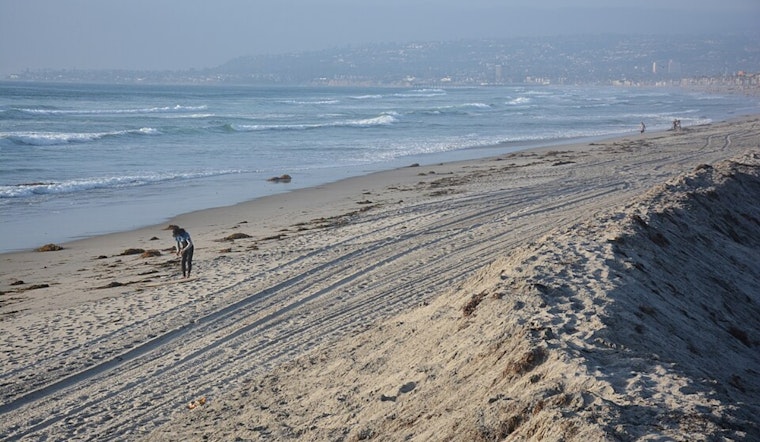
San Diego's coastal communities are grappling with a pollution crisis, where the murky waters of the Tijuana River emerge not only as a local sore but as a harbinger of a broader ecological predicament, spewing millions of gallons of untreated wastewater into the ocean and air, as reported by UC San Diego earlier this month, further examinations by researchers at the same university have found that pollutants from personal care products, illicit drugs, and tire manufacturing are not just mucking up the water, but are also aloft in the sea spray, potentially weaved into every breath taken by beachgoers and residents along the San Diego County coast.
Imperial Beach Mayor Paloma Aguirre has been vocal in demanding more robust action from county officials to address this toxic turmoil, calling for "immediate, targeted action” to safeguard the health of South Bay residents through a “County Sewage Action Plan” that aims at remediation and prevention efforts including infrastructure enhancements and public health initiatives as Times of San Diego reported, frustrations are mounting since local beaches have been under continuous closure for almost three years due to the bacterial threats stemming from the contaminated waters, brought to the fore by untreated effluent from the Tijuana River reaching the sea just south of Imperial Beach.
Findings from UC San Diego's study indicate the presence of benzoyl ecgonine, a consistent marker of sewage encompassing cocaine metabolites, spiked in ocean water and ambient air following rainfall and increased river flows, in other than the environmental dilemmas the research iterates an urgent call for comprehensive interventions to limit exposure and potentially harmful health consequences, given that residents in proximity to the river are subjected to these pollutants over extended periods.
As proposed by Aguirre and backed by San Diego County Supervisor Terra Lawson-Remer, the five-point plan seeks to dismantle toxic sewage retention under the Saturn Boulevard bridge, upgrade air filtration in schools, spearhead a public health study, assign a county sewage crisis chief, and commission an economic impact assessment of the ongoing pollution crisis with Lawson-Remer affirming support and spotlighting the community-oriented nature of the plan while emphasizing the need for local government to step up its response, the Southern San Diego region continues to await effective redressal, vis-à-vis the international dilemma posed by the persistent Tijuana River pollution as residents in one of the most affected areas continue to suffer the consequences of political deadlock and environmental negligence amid a special election where Aguirre is vying for an open supervisorial seat, as reported by Times of San Diego.



.jpg)