

























































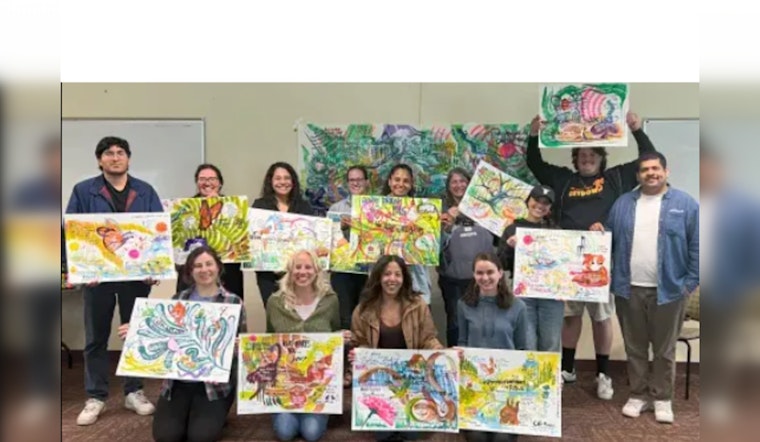
After dedicating over a year to collective learning and reflection, a group of youth workers recently shared the outcomes of their experience in the Sprockets Learning Cohort (SLC). According to a report by St. Paul's official website, the cohort wrapped up with participants describing how the program not only bolstered their professional toolkit but effectively forged paths for systems change within their communities.
Throughout 18 months, the SLC facilitated monthly meetings for youth workers to discuss and dissect the convergence of identity, mental wellness, and systemic oppression. Through their shared learning experiences, they built not just a network of peers but a supportive community committed to bringing about tangible change to their individual practices. Alongside these reflections, each participant implemented a tailored action project within their organization or community circle, aiming to turn their newfound insights into practice.
The impact of these action projects was diverse, echoing a broad spectrum of goals from enhancing mental wellness support, to centering identity in community spaces, to founding infrastructures for ethical practices. The reflections stemming from these projects were visually captured by Tim Foss of More Belief, incorporating recurring fern imagery to represent growth and interconnectedness, a thematic nod to the work of adrienne maree brown on fractal design and organizing strategies.
Central to the philosophy of SLC is the concept that investing in those who work with the young is an indirect, but impactful method of investing in the future of the community itself. Facilitated by Julie Richards of Inquire, Decipher, and Progress Consulting, and captured through the lens of Shaun Walsh, these reflections serve as a testament to the power of intentional, communal learning pathways in the world of youth work.




