

























































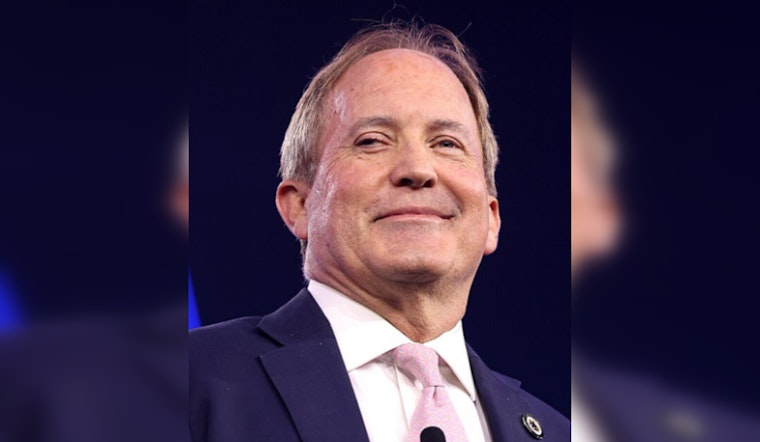
In a move that is shaping the landscape of digital content access in Texas, Attorney General Ken Paxton has championed a state law demanding age verification on pornography sites, which has now been upheld by the US Supreme Court. As a result of the ruling, companies that deal in adult content will need to impose "reasonable age-verification measures" to prevent minors from accessing material deemed obscene, according to the Texas Attorney General's Office.
Following a lawsuit in 2023, initiated by pornography distributors against the state of Texas to halt the law, Paxton has been steadfast in his defense of the statute, achieving a ruling that permits the enforcement of the legislation while legal proceedings were ongoing. The Supreme Court decision, as detailed on the Texas Attorney General's Office website, has now cemented Texas' position, with Paxton stating, "This is a major victory for children, parents, and the ability of states to protect minors from the damaging effects of online pornography."
Companies found in violation of this law face substantial financial penalties - fines can reach up to $10,000 per day, and if a child accesses pornographic content due to inadequate age checks, fines can balloon to $250,000. In his enforcement efforts, Paxton has targeted companies like Aylo Global Entertainment, which oversees Pornhub among other sites. Instead of complying with the requirements, Pornhub has taken its services offline in Texas altogether, as reported by the Texas Attorney General's Office.
The supremacy of this Texas statute casts a long shadow over the adult entertainment industry, prompting a reevaluation of how online content is regulated and accessed. The fines associated with non-compliance, as per the announcement from the Texas Attorney General's Office, also incorporate an additional $10,000 per day if a company illegally retains identifying information, bolstering the privacy concerns alongside content accessibility.





.jpg)