

























































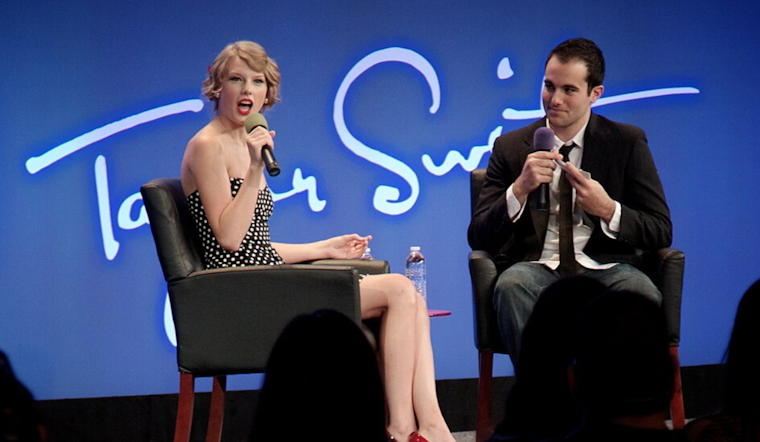
Taylor Swift's recent coup of reclaiming her master recordings has raised more than a few eyebrows in the music industry, and certainly among the legions of Swifties across the globe. “All of the music I’ve ever made... now belongs... to me,” as per Ohio State University, Swift declared in a statement on her website.
Swift's battle for ownership is a tale of persistence, after her original catalog was sold by Big Machine Records in 2019 without her being able to purchase it under what she considered fair conditions. Swift's savvy move to re-record four of the six albums to devalue the originals and insist on her mastery not just as an artist but as a businesswoman speaks volumes in an industry where such control is as rare as an honest politician in a Washington diner.
The significance of owning master recordings cannot be understated – the rights to the original recordings, typically owned by record labels who shoulder production and marketing costs. In a conversation with The Ohio State University, Jesse Walker, previously of Flobots and now an assistant professor of marketing and logistics, recalls how record companies front these costs in a veiled loan structure. “You basically pay back that advanced cash through your royalty percentage,” he explained. Swift, whose fortune is estimated at $1.6 billion, surely doesn't worry about royalties, but her actions go beyond money – they're about possession and principle.
The ripple effect of Swift's triumph is predicted to be less tsunami, more gentle waves. According to the same Ohio State interview with Jason Rawls, assistant professor of hip-hop, ain't no revolution about to be broadcast – the industry, built on the scaffolding of power dynamics, won't easily relinquish control. Walker suggests that while Swift's narrative has been a powerful ally in her journey, it's her unique storytelling prowess that has emerged as a game-changer, roping in fans and turning them against the originals in favor of “Taylor’s Versions”. Swift has proven that while replications, in general, may sit in the shadow of the original – with the right narrative, they can shine.
What does Swift's savvy move spell out for the future of record deals and artist autonomy? The conversation is far from over, says Walker. The unsettling thought of a "faceless corporation" owning the music that defines personal playlists is disconcerting for consumers, who'd rather see the artists they admire in the driver's seat – but labels argue their value-add is indispensable, thus the perennial tug-of-war persists. As Rawls puts it, the significance of owning one's creations in the music business is unparalleled. "To be able to own them must be one of the best feelings in the world. What she’s accomplished is magnificent," Rawls told The Ohio State University interview. Swift's victory may not be a universal blueprint, but it’s a shining victory lap for artists striving for independence.



