

























































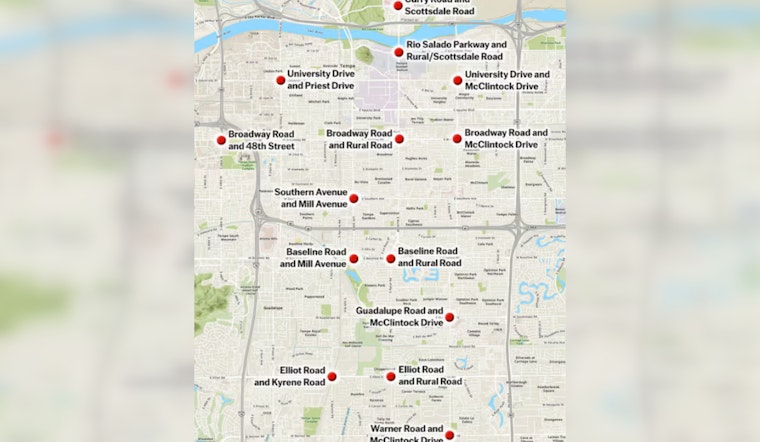
The City of Tempe's initiative to combat red-light runners and speedsters stepped into enforcement mode, as photo-enforcement cameras at 14 key intersections have transitioned from issuing warnings to slapping fines. Beginning June 6, those captured by the lenses for infractions are facing a $250 fee. According to FOX 10 Phoenix, in just one month of operation, several warnings have already been sent out, indicating the potential reach of the program.
Tempe Police Department’s traffic program supervisor, Tom Haubold, emphasized the thorough process before citations are mailed out. In a statement obtained by FOX 10, Haubold explained, "They'll look at all the information that is in there, and then they'll decide, ‘OK, yes, this is a good violation.’" The department takes pains to correctly identify violators, comparing photos taken at the time of infraction with registered vehicle owners to ensure tickets are accurately issued. This system aims to ensure only verified offenders receive citations, with the endgame to significantly reduce fatalities and serious injury crashes in the area.
The enforcement effort coincides with a documented officer shortage within the city, as reported by Arizona's Family. Despite the personnel shortfall, Tempe officials have harnessed studies, including one from the U.S. Department of Transportation, backing the efficacy of photo-enforcement cameras. These studies purport that crashes could be decreased by more than 50%, underpinning the city’s decision to implement such technology amongst prevailing growth and traffic concerns.
Funded by monthly leases, the fixed red light cameras and mobile units costing $2,000 and $3,000, respectively, are integral to Tempe's Vision Zero goal to eliminate all traffic deaths. Driver Nicole Crenshaw alluded to the system's eventual benefit in an interview with FOX 10 Phoenix, stating, "I think that it's bringing awareness so eventually, yes, it will prevent crashes." The city, according to Arizona's Family, had selected intersections for the camera placements based on high crash rates and speed disparities, targeting those with at least three serious or deadly crashes from 2018 to 2022.
Tempe's approach, resurrecting a program once discarded, seems not only a maneuver to staunch the flow of traffic-related tragedies but also a measured balance between technological vigilance and human oversight. As the eyes in the sky start to exact their tangible influence on drivers' wallets, the real test will be in the data, the discernible curb in reckless driving and the hope for a safer community threaded through each snapped image and subsequent citation.





