

























































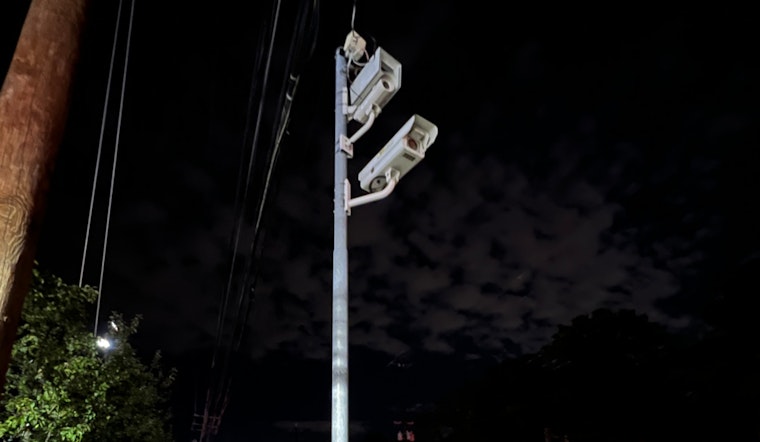
The streets of Tempe have seen a flurry of activity from its newly installed red light cameras, catching over 2,000 traffic violators in just the first two weeks of their operation. According to data obtained by FOX 10 Phoenix, from June 6 through June 20, a total of 2,283 incidents have been recorded, serving as a stark reminder that the eyes of the law are ever-vigilant.
Drivers might be feeling the heat from the cameras that do not merely observe but also bear the weight of enforcement; a hefty $250 ticket awaits those caught in the act of speeding or running a red light, as reported by FOX 10 Phoenix. Amidst the economic strains pressing on the populace, Julian mentioned to the news outlet, "I know that the traffic is getting more dangerous here in Tempe and we're getting more traffic, but I think that it's an issue for people that are struggling with the economy now."
Furthermore, KTAR News shared that there were more than 950 drivers who ran red lights and over 14 incidents of speeding at intersections, as documented during the same time period. With both permanent and mobile cameras at play—14 fixed installations and four roving units—the city's approach to traffic enforcement encompasses a broad network. The comprehensive figure, described by a KTAR News release, indicates the high volume of traffic violations that the city is facing, and raises questions about the effectiveness and public reception of such surveillance measures.
Some Tempe residents, like Adam, have expressed their dissatisfaction with the system; as he detailed an experience to FOX 10 Phoenix, "And they take pictures on green.. still making a right turn right here. Red light, green.. took a picture of me. I haven’t got a ticket for it, but it does definitely take pictures." Amidst the critique, there are still nearly 7,700 recorded events under review, suggesting that the scope of the program's reach is yet to be fully realized, which as the program's initial results are making visible, concern that red light cameras might be more punitive than preventative remains percolating in public discourse.
As Tempe navigates this intersection of law enforcement and technology, the implications of a behavior-modifying gaze encapsulated in metal and glass hang above, with just as many questions as there are vehicles caught in the red light snare. Yet, Tracy spoke to a potential remedy, telling FOX 10 Phoenix, "But I mean, if it’s helping the community, like I said, they should have signs indicating that because that’s where it works, as people knowing that there’s consequences to what they do." Whether these cameras prove to be a deterrence or mere digital disciplinarians, their silent watch continues, and the numbers, for now, just keep climbing.


