

























































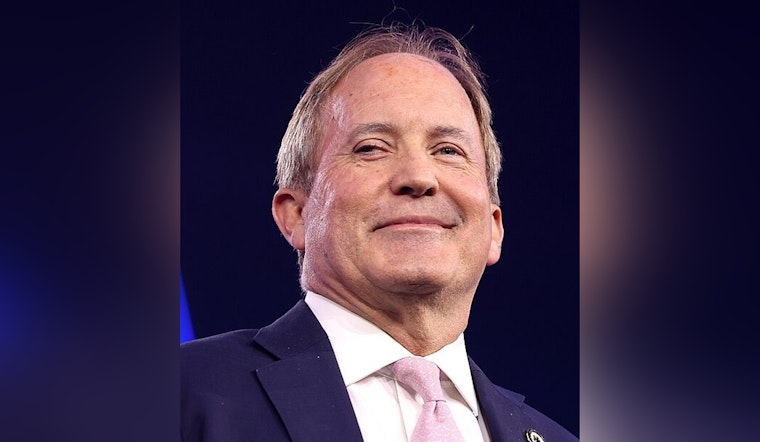
The legal saga around the bankruptcy of genetic testing company 23andMe has taken a turn with Texas Attorney General Ken Paxton stepping into the ring, as he files a lawsuit to affirm Texans' rights regarding their genetic data amidst the company's financial woes. Citing the state's stringent data privacy laws, Paxton emphasizes the need for consumer consent before sharing sensitive genetic information, a move that aligns with Texas's stance on personal data protection.
In the bankruptcy case, which is unfolding in the Eastern District of Missouri, 23andMe is attempting to sell not just its assets, but also its treasure trove of private genetic, health, and personally identifiable information—a plan that has come under scrutiny by the Texas Attorney General's office, Paxton's objection is founded on Texas law which prevents the sale of genetic info without express consent from the individuals concerned; he asserts that residents of the Lone Star State have an undeniable claim to their genetic data.
According to the Texas Attorney General's office, this case marks a precedent-setting moment in the defense of data privacy, particularly with regard to the property rights individuals hold over their personal genetic information. The office further reminds Texas residents that they hold the power to demand their data be expunged from 23andMe's databases and to ensure the destruction of their genetic samples, as mandated by the Texas Direct-to-Consumer Genetic Testing Act and the Texas Data Privacy and Security Act.
Attorney General Paxton has been vocal regarding the issue, declaring, "Genetic testing companies have access to massive amounts of critically sensitive personal information, and I will fight to ensure that businesses follow the law and secure Texans’ personal data," as mentioned on the Texas Attorney General's office website. This statement, aimed at reinforcing the commitment to safeguarding Texan consumers, aligns with Paxton's legal thrust to ensure compliance with state laws even as companies like 23andMe navigate financial instability and consider the transaction of sensitive data as part of their bankruptcy proceedings.
For Texans who are facing difficulties in enforcing their rights, such as inadequate responses from 23andMe, or those who have additional concerns regarding their genetic data, the Attorney General's office encourages them to reach out and file a complaint.




.jpg)