

























































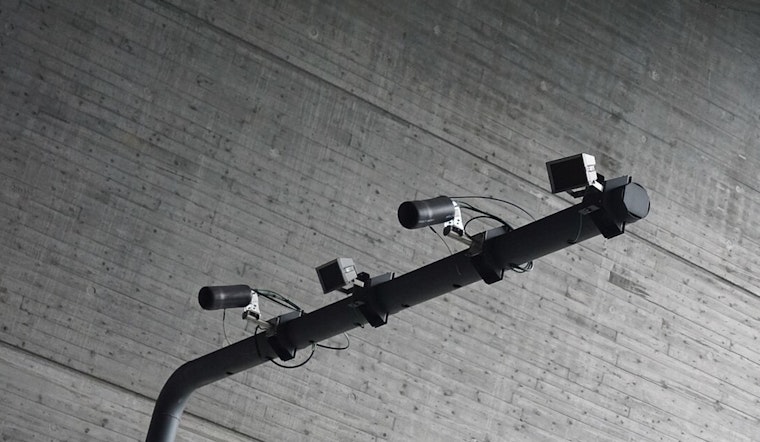
Amidst increasing scrutiny over privacy and oversight, two Texas cities have found themselves at the center of a contentious debate over the use of automated license plate readers (ALPRs). In San Marcos, a recent City Council meeting ended with a decision not to expand the local Flock camera system after it was revealed, according to CBS Austin, that not a single promised audit of the existing license plate reader technology had been conducted. Meanwhile, Austin is grappling with its own ALPR program after residents raised concerns during a City Council work session, leading to the removal of a proposal to extend the program from the council's agenda.
During a late-night San Marcos Council session, the vote to nearly double the number of Flock cameras was struck down 5–2. Council Member Amanda Rodriguez has been vocal about the troubling lack of oversight, stating, "We don’t even know how this technology is being used, and we’re being asked as a council to make an ill-informed decision to expand it," as told to CBS Austin. Despite the cameras being a city staple since 2022, the fact remains that, still now, an external audit has never been performed, leaving elected officials and residents alike in the dark about how the data collected has been used.
Austin's brushes with ALPR concerns echo those in San Marcos. Citizen outcry led Austin City Manager T.C. Broadnax to pull the renewal of the ALPR program, effectively allowing it to expire on June 30. Austin residents, according to FOX 7 Austin, raised alarms over the potential for widespread surveillance and data misuse, with one resident stating, "This program scanned 75 million license plates, a staggering number and the success rate of locating persons of interest was less than .02 percent." These concerns highlight a growing dichotomy between public safety objectives and individual privacy rights.
Despite the upheaval and voting down the expansion, San Marcos is not camera-free; 19 Flock cameras remain operational across the city. The struggle for transparency persists as Rodriguez insists that oversight is "more important than ever," as per the CBS Austin interview. Her commitment to pursuing either retroactive audits or at least ensuring future ones is a testament to the mounting pressure on law enforcement to justify the use of such surveillance technology while respecting civil liberties. On the other side, the Austin Police Department, as to the accusations aimed at them, replied that they have robust safeguards in place and emphasized the program's role in public safety, as stated during the City Council work session.
The parallel debates in both cities exemplify a broader national conversation regarding the balance between the tools law enforcement use and the potential for encroachment on the public's right to privacy. As technological capabilities advance, so does the necessity for stringent checks and measures to prevent inadvertent harm to the very communities these tools are intended to protect.





