

























































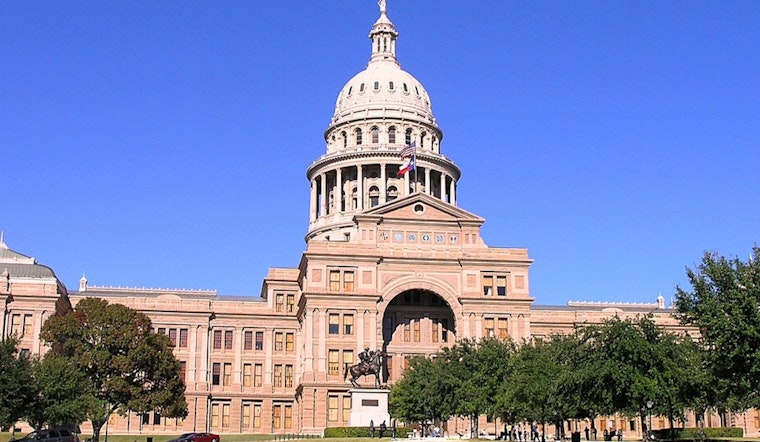
The Texas Senate has finalized a major budget move, approving a $338 billion funding plan that now sits at the desk of Gov. Greg Abbott, ready for his signature. According to a recent release from Lt. Gov. Dan Patrick's office, obtained by FOX 7 Austin, the budget features a moderate 1.2% increase from the last biennium, and includes substantial allocations for property tax relief, public education, and much-needed infrastructural developments for Texas's electrical grid and water resources.
This extensive budget encompasses a $237.1 billion All State Funds allocation, up 4.8% since the last session, as laid out by Patrick. The stakes here, surprisingly enough, go beyond just sprawling digits and legislative lingo; they are poised to directly lessen the financial burden on homeowners through a proposed increase in the homestead exemption, ultimately saving the average homeowner around $500 a year, as per KXAN.
Public education sees a significant injection of cash, with the budget earmarking $8.5 billion towards the cause. This includes $4.2 billion for raises for educators and staff, an affirmation of the state's commitment to those molding young Texan minds at the frontline. As State Rep. Donna Howard pointed out to KXAN, while this funding surge may not fully counteract the toll of inflation or make up for previous shortfalls, it's nevertheless a stride toward recovery from the stagnancy of 2019 levels.
On the healthcare front, the budget plans to remedy a gap in rural health services with a $100 million boost to the state’s rural hospital grant program, hoping to staunch the bleeding out of essential services in these often-overlooked areas. In the same vein, personal care attendant wages are set to increase from $10.60 to $13 an hour, a move that aims to not only improve the welfare of these critical workers but also to mitigate, too, the ongoing care workforce crisis.
The appropriations bill is not solely a nod to the present but lays the groundwork for future improvements. One of the more forward-thinking components is the $1 billion allocated for a state water fund, intended to address Texas's growing concerns over water supply sustainability. Moreover, Lt. Gov. Patrick has proudly flagged the creation of the Dementia Prevention and Research Institute of Texas (DPRIT), envisioned as a hub to bring leading researchers and care providers to the state, as stated in his remarks following the Senate's passage of the legislation.
Now the budget awaits the governor's signature or veto, and up next are the voters in November, who hold the power to seal the deal on DPRIT and to solidify the homestead exemption that sits as a keystone in the property tax relief component of the budget. Meanwhile, the State Comptroller is set to certify the bill, a testament that the spending aligns with the state's revenue streams. Should all go to plan, these fiscal decisions will soon shape the tangible realities of Texas residents.





