

























































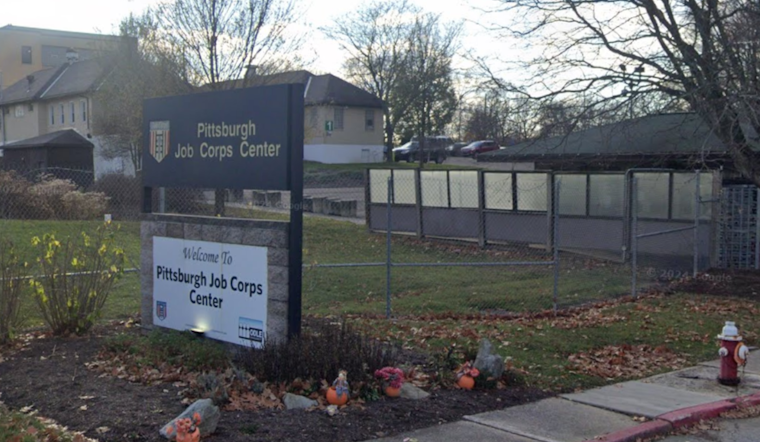
The U.S. Department of Labor has announced the suspension of Job Corps operations nationwide, affecting centers such as the one in Pittsburgh, which caters to low-income students. The move, influenced by financial analysis and reports of unmet objectives, is set to displace hundreds of students and staff members. The Pittsburgh Job Corps, which provides free housing, medical care, education, training, and certification assistance to students ages 16-24, is deemed to no longer achieve "the intended outcomes that students deserve," according to a department statement. This freeze, scheduled for June 30, has stirred reactions from various corners, with Pittsburgh Mayor Ed Gainey calling out this decision as detrimental to communities that need it most, as reported by TribLIVE.
Despite the proclaimed halt, a discernible disconnect remains between the official narrative and the experiences relayed on the ground. While federal data show that the Pittsburgh center operates at approximately $36,000 per year for each student and has a graduation rate slightly above 50%, these figures contrast sharply with the national average cost of over $80,000 and a graduation rate of just under 39%. A WPXI report highlights the nuanced perspectives of those involved, such as Carrie Nolan-Robson, a former Job Corps educator, who references the substantial benefits that students have delivered to the Pittsburgh workforce and surrounding community.
On a more personal level, the closure comes as a significant blow to individuals like Waylon Propst and Lilith Stroup, who found the Job Corps to be a beacon of hope for a stable and more promising future. Propst, who was previously homeless, and Stroup, a single mother aiming to become a nurse, both face uncertainty with the program's end.
While the Department of Labor assures that it will assist in the transition by covering the costs for students to travel home, many are left to grapple with uncertain prospects. With 188 of the 438 students at Pittsburgh's center living on campus and nearly 50 on the brink of homelessness. Yet for all the provided support, as reported by officials, students like Propst remain "unsure" about the nature of services they can expect post-program.





