

























































As temperatures in the Valley are set to soar once again, the issue of adequate shelter for the vulnerable becomes pressing. A report from ABC15 reveals that local shelters are struggling to keep up with the demand, with hundreds of families on waitlists. Aesha Robinson, who faced homelessness last summer, said to ABC15, "That is typical for the summer months." She found herself outside with her children, facing wait times of six to eight weeks for shelter services when she called 211, a statewide resource.
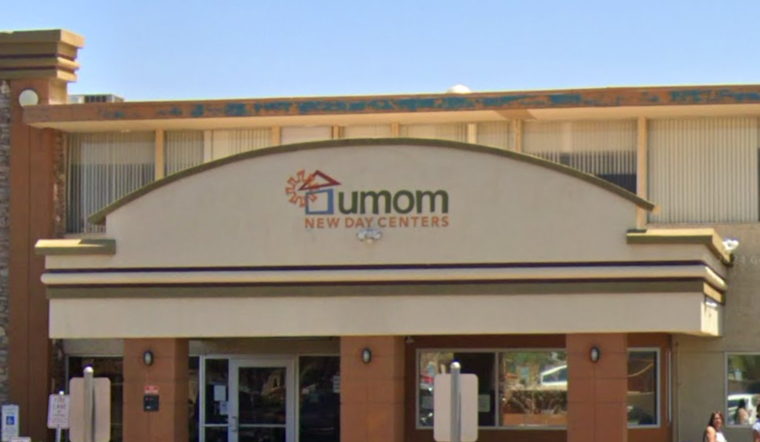
Monique Lopez of UMOM New Day Centers, Arizona's largest emergency shelter for families, told ABC15 that the current wait time "is eight weeks." She added that they "absolutely see a few hundred families on the waitlist on any given night." With the upcoming heatwave, this situation is poised to only become more dire. The resource crunch has forced families "to get as creative as possible," often leading them to "a number of unsafe situations," she conveyed.
Andrew Erwin, with Solari Crisis & Human Services, highlighted a broader systemic issue in a discussion about community action. He stated to ABC15, "Until we as a community all agree that this is an issue that requires funding, there won’t be any change." As it stands, the baseline service offered is a six to eight-week waiting period for shelter assistance, which persists without community-driven financial support to alleviate the situation.
Shelters like St. Vincent de Paul have been instrumental in providing temporary relief, as was the case with Aesha Robinson, who was able to secure a job through their intervention. However, Krashanda Cleveland, a program manager, told ABC15 that a greater concern lurks ahead of the summer months: "Not enough housing. Not enough affordable housing and not enough employment that pays a living wage to afford the high rent of cost of living right now." The statement underscores the need to not only look at temporary shelter space but also to truly engage with the intertwined issues of housing affordability and living-wage employment.
In response to the crisis, UMOM has recently sought to address additional aspects of extreme heat preparedness. They partnered with the Arizona Pet Project, ensuring that those seeking refuge do not have to be separated from their pets. For those in immediate need of heat relief in the Valley, assistance can be found by clicking here.


