

























































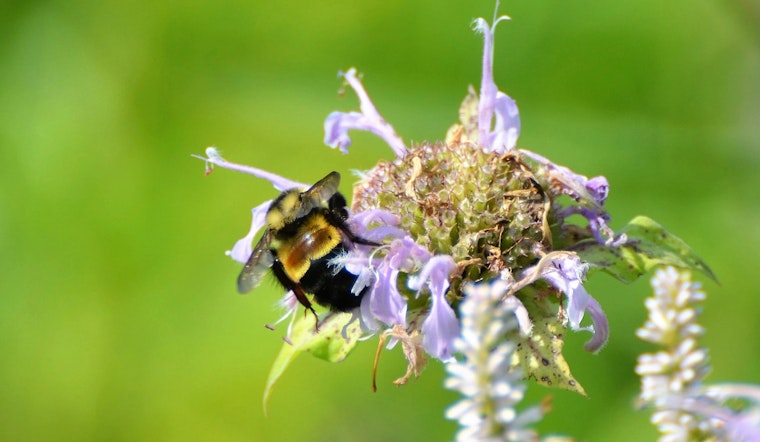
The Wisconsin Department of Natural Resources (DNR) is buzzing with activity during this year’s Pollinator Week, running from June 16-22. As the state's considerable bee, butterfly, and moth populations flutter amidst environmental challenges, Wisconsinites are being urged to take action. According to a news release from the Wisconsin DNR, residents can contribute to the conservation efforts by adopting simple lawn care habits, volunteering, and financially supporting the Endangered Resources Fund.
Within the borders of Wisconsin, over 400 native bee species buzz around, including 20 species of bumblebees, on top of hosts of butterflies, moths, the occasional hummingbirds, and even some beetles and flies. These insects play a pivotal role in transferring pollen among flowers, a process instrumental for fruit production and genetic diversity among plants. However, facing the decimation of populations, the federally endangered rusty patched bumble bee, and Wisconsin's pride, the Karner blue butterfly, are teetering on a fragile brink. "Wisconsin is an important part of the remaining habitat for the federally endangered rusty patched bumble bee, and we’re the state with the largest remaining population of Karner blue butterflies," Jay Watson, DNR insect ecologist, voiced concerns according to the Wisconsin DNR.
To give these vital bug buddies a much-needed leg up, gardeners are encouraged to plant native blooms. Trees that flower early are particularly crucial, offering a food source for emerging bumble bee queens and myriad insects. These, in turn, serve as an all-you-can-eat buffet for birds and bats. A continuous bloom of plants such as columbine, bee balm, and goldenrod is suggested to provide sustenance through months. Host plants are also part of the equation, with butterflies like monarchs, meadow fritillaries, and black swallowtails relying on specific flora – think milkweeds, violets, or even your common kitchen herbs like dill, fennel, and parsley.
Providing refuge to these winged wonders is equally critical. Pollinators require a place to weather storms, hibernate, and rest – a few brush or leaf piles can make all the difference, and it’s best if hollow-stemmed plants are left untrimmed until winter ends. And when it comes to pesticides and herbicides, just don’t – the release advises against their use, noting they can harm or even kill the precious pollinators and the very plants essential to their survival.
For those wanting to roll up their sleeves, volunteering opportunities abound. From becoming a trained pollinator champion with groups like the Wisconsin Bumble Bee Brigade to pulling out nasty invasive species through the State Natural Areas Volunteer Program, every effort counts. Plus, if digging in the dirt isn’t your thing, consider a donation to the Endangered Resources Fund.



