

























































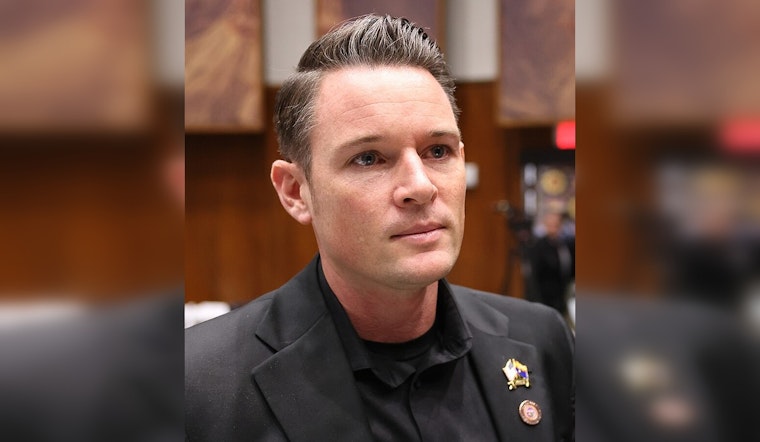
Following a cyberattack on the Arizona Secretary of State's candidate portal in June, State Representative Nick Kupper is demanding action. The website was hacked with candidate images replaced by ones of Ayatollah Ruhollah Khomeini, signaling a serious breach attributed to Iranian hackers. This incident has triggered alarms over potential weaknesses in the state's election infrastructure, and Kupper isn't just standing by.
In response to the attack, Kupper penned a letter directly to Secretary of State Adrian Fontes, as seen in a public statement, where he explicitly requests a comprehensive, in-person briefing to fully inform all Arizona legislators about the situation. The briefing is not only about what went down, but also on the state's action plan to prevent future digital affronts. "Arizona’s election systems should never be this easy a target for foreign adversaries," Kupper said calling the situation a "politically motivated act of cyberwarfare." He insists on accountability, aiming to get to the bottom of how such a security lapse happened and what can be done to reinforce against future assaults.
With a firm stance on the issue, Kupper has asked that this debrief take place at the Arizona House of Representatives and has invited all members of both the House and Senate. The goal is not just to inform, but to rally a bipartisan defense strategy in protecting Arizona's democratic systems. Kupper's position as Vice Chairman of the House Ways & Means Committee only amplifies his voice in this call to action, underscoring the need for technical and political fortification.
The hack, brazen in its approach and chilling in its implications, brings to the fore just how exposed the assets at the core of American democracy can be. Faced with this stark reality, leaders like Kupper are pushing for transparency and readiness, Reflecting an understanding that the battleground has shifted from physical spaces to the unseen planes of the digital world Kupper's outreach signifies his commitment to not only his constituents in Legislative District 25 but also to the integrity of state systems at large. The fallout from this breach could echo through the coming election cycles, and Kupper's immediate response underscores the urgency felt within the halls of Arizona's legislature.





